4-Hydroxybenzyl Alcohol → 4-(2-Methyl-2-nitropropyl)phenol
Reaction equation

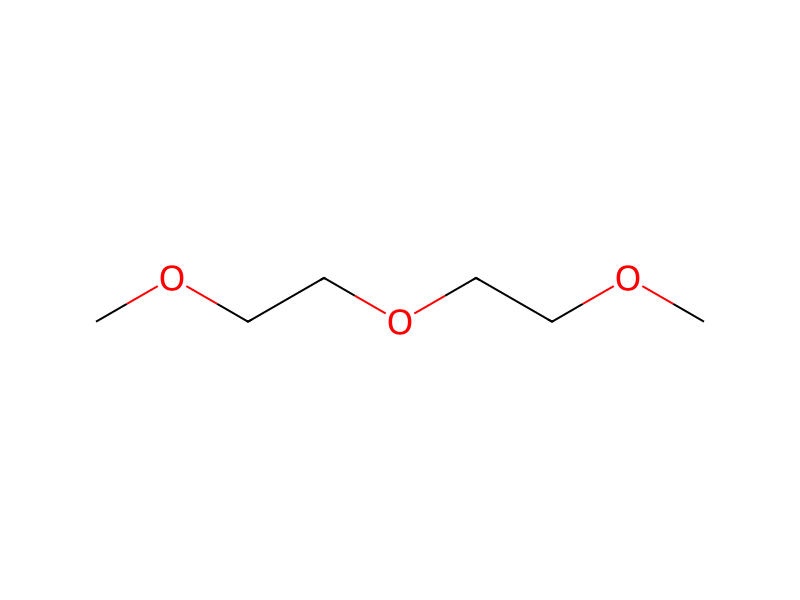
[OH:1][C:2]1[CH:9]=[CH:8][C:5]([CH2:6]O)=[CH:4][CH:3]=1.[N+:10]([CH:13]([CH3:15])[CH3:14])([O-:12])=[O:11].CC(C)([O-])C.[K+]>COCCOCCOC>[CH3:14][C:13]([N+:10]([O-:12])=[O:11])([CH3:15])[CH2:6][C:5]1[CH:8]=[CH:9][C:2]([OH:1])=[CH:3][CH:4]=1Participants
Reactant 3



Product 1

Reagents, catalysts & solvents 1
Conditions
- Temperature
- 132 °C
Procedure
A mixture of 4-hydroxybenzyl alcohol (100.08 g, 806 mmol), 2-nitropropane (400 mL, 4.45 mol) and diglyme (800 mL) was heated to 38 0C. Potassium t-butoxide (45.29 g, 403.6 mmol) was added, and the mixture was heated to reflux at 132° C. with a Dean-Stark trap. Water began collecting in the trap, and continued at a high rate for approximately 1.5 h. When water collection slowed (around 2.5 h) then portions of solvent (30-40 mL each) were removed every thirty minutes. During the water collection and solvent removal the temperature rose from 132° C. to 149° C. After 4 h less than 1% of the 4-hydroxybenzyl alcohol remained by HPLC analysis. The heating mantle was removed, and the reaction mixture was allowed to cool. When the temperature was 100° C. water (200 mL) was added, and the solution was allowed to cool to room temperature. Solvent was removed on a rotary evaporator under vacuum until 593 g of solution remained. Water (500 mL) and EtOAc (500 mL) were added and the layers were separated (layer separation was poor, but addition of 20% aqueous NaCl was ineffectual). The aqueous layer was extracted with EtOAc (200 mL), and the combined organic layers were extracted with 1N HCl (500 mL) and water (300 mL). The organic layer was distilled in vacuo to 261 g of oil to which EtOAc was added (160 mL). Heptane (3.4 L) was added rapidly with vigorous stirring for 30 min, and the product crystallized to yield a beige solid (112.36 g, 71% yield, >98% purity by HPLC analysis). Another crop of crystals may be obtained from the filtrate by concentrating and filtering the solids, or by concentrating more fully to a solution and adding heptane to crystallize. NMR. E.A.
Workup
- temperaturethe mixture was heated
- customWater began collecting in the trap
- customWhen water collection
- custom(around 2.5 h)
- customportions of solvent (30-40 mL each) were removed every thirty minutes
- customDuring the water collection and solvent removal the temperature
- customrose from 132° C. to 149° C
- waitAfter 4 h less than 1% of the 4-hydroxybenzyl alcohol remained by HPLC analysis
- customThe heating mantle was removed
- temperatureto cool
- customwas 100° C.
- additionwas added
- temperatureto cool to room temperature
- customSolvent was removed on a rotary evaporator under vacuum until 593 g of solution
- additionWater (500 mL) and EtOAc (500 mL) were added
- customthe layers were separated
- custom(layer separation was poor, but addition of 20% aqueous NaCl was ineffectual)
- extractionThe aqueous layer was extracted with EtOAc (200 mL)
- extractionthe combined organic layers were extracted with 1N HCl (500 mL) and water (300 mL)
- distillationThe organic layer was distilled in vacuo to 261 g of oil to which EtOAc
- additionwas added (160 mL)
- additionHeptane (3.4 L) was added rapidly
- customthe product crystallized
- customto yield a beige solid (112.36 g, 71% yield, >98% purity by HPLC analysis)
- customAnother crop of crystals may be obtained from the filtrate
- concentrationby concentrating
- filtrationfiltering the solids
- concentrationby concentrating more fully to a solution
- additionadding heptane
- customto crystallize
Sources & evidence
- ORD record
- ord-d91e896b59894049967908e64ed1b956
- Source dataset
- uspto-grants-1999_11
- Patent number
- US05977154
Reaction notes
Loading…