Acetic Acid → HCID 19610641, compound
Reaction equation

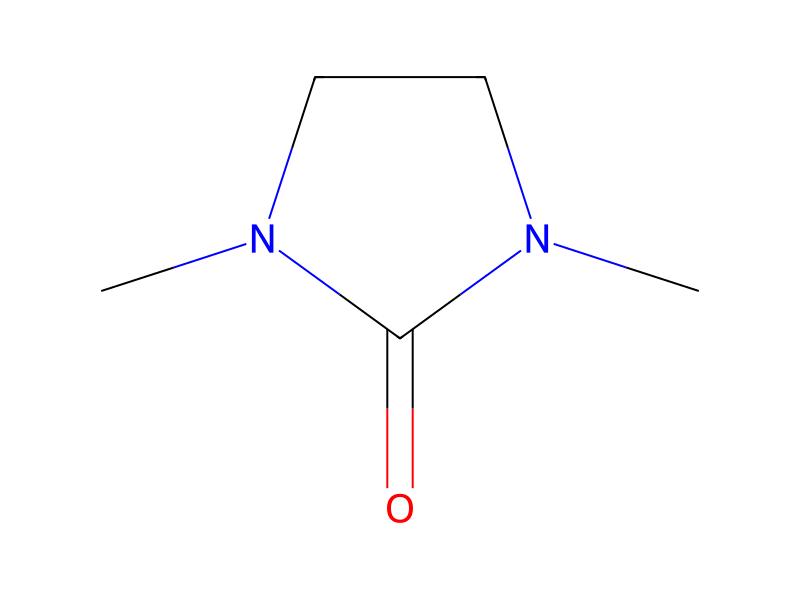
[NH2:1][C:2]1[C:10]2[C:5](=[N:6][CH:7]=[N:8][C:9]=2[NH:11][C:12]2[CH:17]=[CH:16][CH:15]=[C:14]([Cl:18])[CH:13]=2)[NH:4][N:3]=1.C(O)(=O)C.[CH2:23]1[O:33][C:32]2[CH:31]=[CH:30][C:27]([CH:28]=O)=[CH:26][C:25]=2[O:24]1.[BH3-]C#N.[Na+]>CO.CN1C(=O)N(C)CC1>[Cl:18][C:14]1[CH:13]=[C:12]([NH:11][C:9]2[N:8]=[CH:7][N:6]=[C:5]3[NH:4][N:3]=[C:2]([NH:1][CH2:28][C:27]4[CH:30]=[CH:31][C:32]5[O:33][CH2:23][O:24][C:25]=5[CH:26]=4)[C:10]=23)[CH:17]=[CH:16][CH:15]=1Participants
7






Procedure
Analogously to Example 21, 1.00 mmol of 3-amino-4-(3-chloro-phenylamino)-1H-pyrazolo[3,4-d]pyrimidine in 26 ml of methanol, 13 ml of DMEU and 3.0 mmol of acetic acid are first reacted with 3,4-methylenedioxy-benzaldehyde and then reduced with 7.00 mmol of NaCNBH3 (5-7 days). 4-(3-Chloro-phenylamino)-3-(3,4-methylenedioxybenzylamino)-1H-pyrazolo[3,4-d]pyrimidine is obtained; m.p. 220-222° C.; HPLC: TRet (Grad5-40)=22.5° C.
Sources & evidence
- ORD record
- ord-d5da336d7791476fb3c4d5d098f79fa4
- Source dataset
- uspto-grants-1999_11
- Patent number
- US05981533
Reaction notes
Loading…