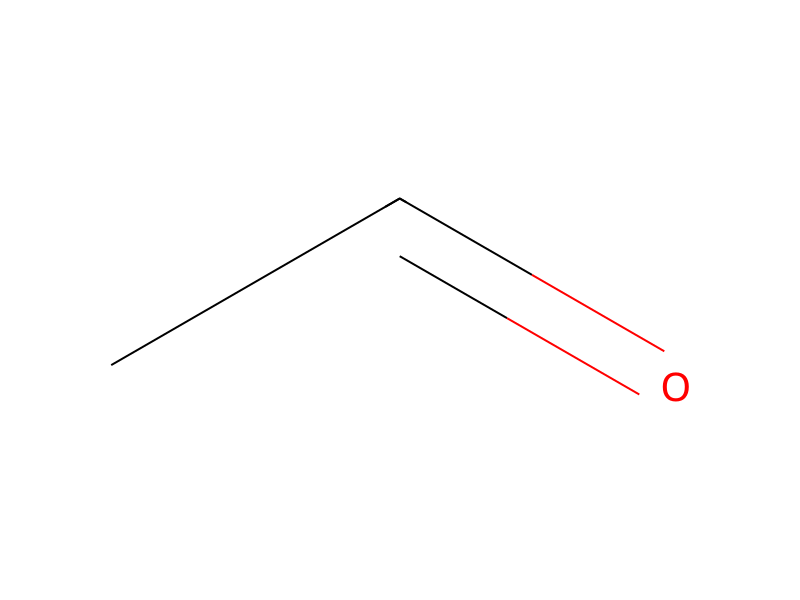
Acetaldehyde → HCID 21547135, compound
Reaction equation

Br[CH2:2][CH:3]([C:5]1[CH:10]=[CH:9][C:8]([CH:11]2[CH2:16][CH2:15][CH2:14][CH2:13][CH2:12]2)=[C:7]([Cl:17])[CH:6]=1)[CH3:4].[Mg].[CH:19](=[O:21])[CH3:20].[BH4-].[Na+]>>[Cl:17][C:7]1[CH:6]=[C:5]([CH:3]([CH3:4])[CH2:2][CH:19]([OH:21])[CH3:20])[CH:10]=[CH:9][C:8]=1[CH:11]1[CH2:16][CH2:15][CH2:14][CH2:13][CH2:12]1Participants
5




Procedure
4-(3-Chloro-4-cyclohexyl-phenyl)-2-pentanol was prepared analogous to Example 64 from a Grignard reagent, prepared from 91.55 gm (0.29 mol) of 1-bromo-2-(3-chloro-4-cyclohexyl-phenyl)-propane and 7.08 gm (0.291 mol) of magnesium, and 14.2 gm (0.32 mol) of acetaldehyde, followed by reduction with sodium borohydride. The above compound was obtained as a mixture of the two possible pairs of diastereomeric isomers. The colorless oil (39.5 gm; 48% of theory) was not sufficiently heat-stable for distillation, and therefore had to be chromatographically purified (silicagel; benzene as the eluant).
Workup
- customThe above compound was obtained as a mixture of the two possible pairs of diastereomeric isomers
- distillationThe colorless oil (39.5 gm; 48% of theory) was not sufficiently heat-stable for distillation
- customto be chromatographically purified (silicagel
Sources & evidence
- ORD record
- ord-5894ec603168430db6630c5681fe96fc
- Source dataset
- uspto-grants-1976_04
- Patent number
- US03950427
Reaction notes
Loading…