Hydrochloric Acid → 5-(3-Methylbutoxy)-2-propylthiophenol
Reaction equation

CN(C)C(=O)[S:4][C:5]1[CH:10]=[C:9]([O:11][CH2:12][CH2:13][CH:14]([CH3:16])[CH3:15])[CH:8]=[CH:7][C:6]=1[CH2:17][CH2:18][CH3:19].[OH-].[K+].CNC.Cl>O.C(O)COCCO>[CH3:15][CH:14]([CH3:16])[CH2:13][CH2:12][O:11][C:9]1[CH:8]=[CH:7][C:6]([CH2:17][CH2:18][CH3:19])=[C:5]([SH:4])[CH:10]=1Participants
7
Reactant 4

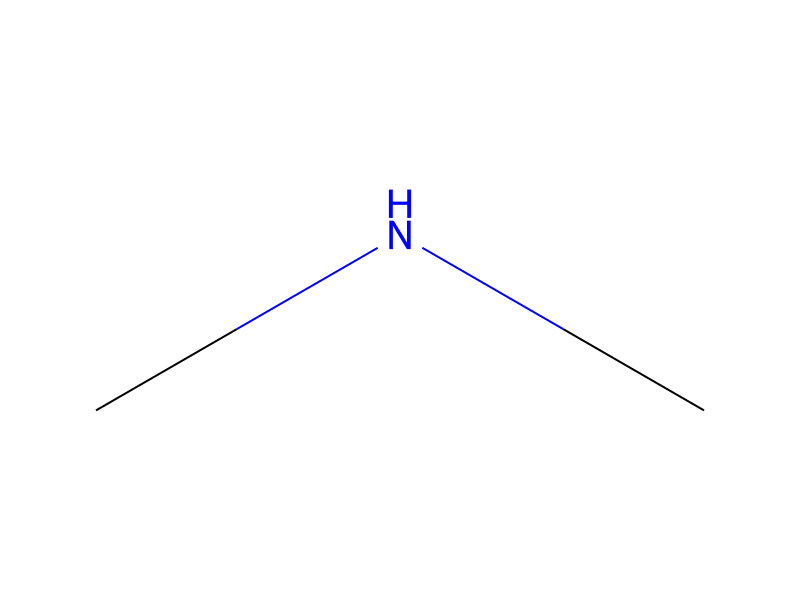


Product 1

Reagents, catalysts & solvents 2


Procedure
A solution of 136.1 parts of S-5-(3-methylbutoxy)-2-propylphenyl N,N-dimethylthiocarbamate and 280 parts of potassium hydroxide in 1000 parts of digol was stirred under nitrogen at 120° - 130° for 9 hours, after which no dimethylamine could be detected in the effluent nitrogen. The mixture was cooled, poured into 8000 parts of water and the resulting solution was acidified to pH 1 with hydrochloric acid. The mixture was extracted with ether and the latter was washed with water, dried over magnesium sulphate, filtered and evaporated to dryness to give 95.7 g of the desired product 5-(3-methylbutoxy)-2-propylthiophenol.
Workup
- temperatureThe mixture was cooled
- extractionThe mixture was extracted with ether
- washthe latter was washed with water
- dry with materialdried over magnesium sulphate
- filtrationfiltered
- customevaporated to dryness
Sources & evidence
- ORD record
- ord-b1f54d07f00b402ab11bb08dbc9756b0
- Source dataset
- uspto-grants-1976_04
- Patent number
- US03952013
Reaction notes
Loading…