Dicamba → Methyl (4-chlorobenzoyl)acetate
Reaction equation

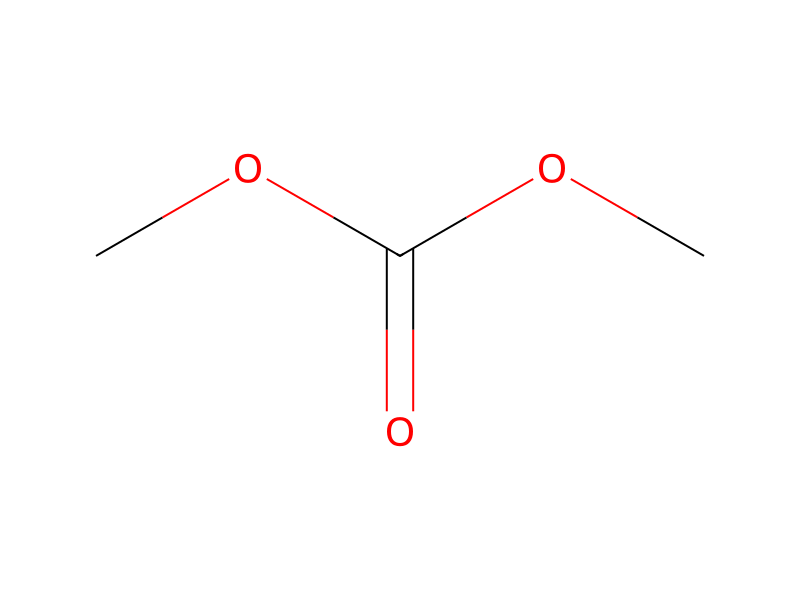
COC1C(C(O)=O)=C(Cl)C=CC=1Cl.[CH3:14][C:15]([C:17]1[CH:22]=[CH:21][C:20]([Cl:23])=[CH:19][CH:18]=1)=[O:16].[CH3:24][O:25][C:26](=O)[O:27]C>C[O-].[Na+]>[Cl:23][C:20]1[CH:21]=[CH:22][C:17]([C:15]([CH2:14][C:26]([O:25][CH3:24])=[O:27])=[O:16])=[CH:18][CH:19]=1Participants
5
Reactant 3


Product 1

Reagents, catalysts & solvents 1

Procedure
Alternatively, MDBA may be prepared by the carbomethoxylation of a ketone. For example, 4-chloracetophenone reacts with excess dimethylcarbonate using sodium methoxide as a catalyst to produce methyl 4-chlorobenzoylacetate as described in U.S. Pat. No. 3,950,381. NMR data was consistent with the structure.
Sources & evidence
- ORD record
- ord-e0b77945035e41e3af77b259cf77d116
- Source dataset
- uspto-grants-1989_09
- Patent number
- US04863947
Reaction notes
Loading…