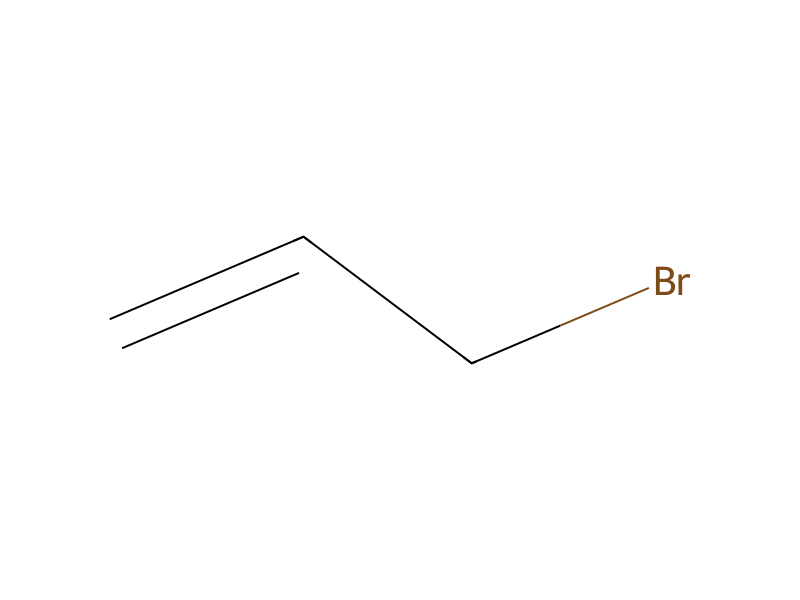
Allyl bromide → HCID 53959466, compound
Reaction equation

[NH2:1][C:2]1[N:7]([CH2:8][CH2:9][CH3:10])[C:6](=[O:11])[NH:5][C:4](=[O:12])[C:3]=1[NH:13][C:14]([C:16]12[CH2:23][CH:22]3[CH2:24][CH:18]([CH2:19][CH:20]1[CH2:21]3)[CH2:17]2)=O.[CH2:25](Br)[CH:26]=[CH2:27]>>[CH2:27]([N:5]1[C:4](=[O:12])[C:3]2[NH:13][C:14]([C:16]34[CH2:17][CH:18]5[CH2:24][CH:22]([CH2:21][CH:20]3[CH2:19]5)[CH2:23]4)=[N:1][C:2]=2[N:7]([CH2:8][CH2:9][CH3:10])[C:6]1=[O:11])[CH:26]=[CH2:25]Participants
3


Procedure
Substantially the same procedure as in Reference Example 3 was repeated using 300 mg (0.90 mmol) of 6-amino-5-(3-tricyclo[3.3.1.03,7 ]nonylcarbonylamino)-1-propyluracil (Japanese Published Unexamined Patent Application No. 173889/91) and 0.16 ml (1.81 mmol) of allyl bromide. The obtained crude product was subjected to the same cyclization reaction that was used in Example 1, without purification, to give 110 mg (yield 35%) of Compound J as a white powder.
Workup
- customThe obtained crude product
- customwas subjected to the same cyclization reaction that
- customwas used in Example 1, without purification
Sources & evidence
- ORD record
- ord-96b3660cdc03440a9269aeb9573a594c
- Source dataset
- uspto-grants-1995_03
- Patent number
- US05395836
Reaction notes
Loading…