Anisole → Cyclohexyl(4-methoxyphenyl)methanone
Reaction equation

[CH:1]1([C:7](Cl)=[O:8])[CH2:6][CH2:5][CH2:4][CH2:3][CH2:2]1.[C:10]1([O:16][CH3:17])[CH:15]=[CH:14][CH:13]=[CH:12][CH:11]=1.[Cl-].[Al+3].[Cl-].[Cl-]>ClC(Cl)C>[CH:1]1([C:7]([C:13]2[CH:14]=[CH:15][C:10]([O:16][CH3:17])=[CH:11][CH:12]=2)=[O:8])[CH2:6][CH2:5][CH2:4][CH2:3][CH2:2]1Participants
5
Reactant 3
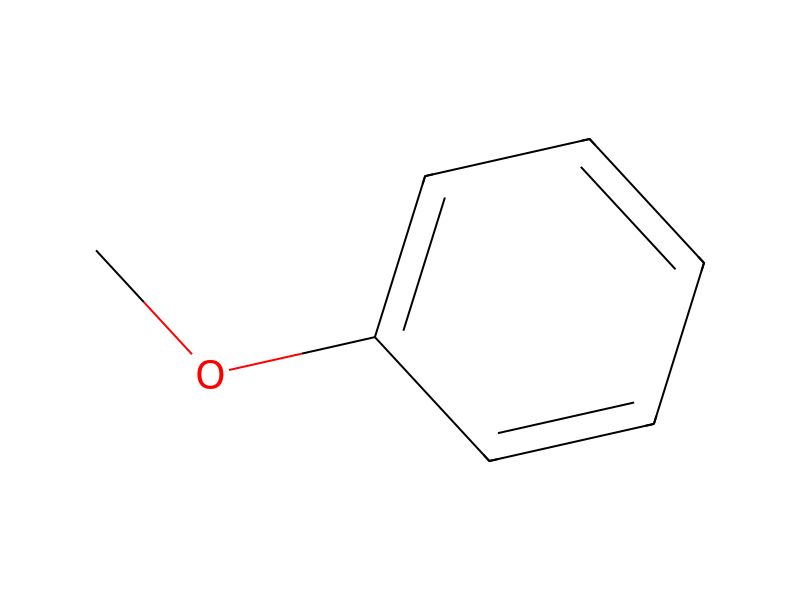


Product 1

Reagents, catalysts & solvents 1

Procedure
42.6 g (0.291 mol) of cyclohexanecarbonyl chloride and then 30 g (0.277 mol) of anisole are added dropwise at room temperature to a suspension of 44.4 g (0.33 mol) of aluminium chloride in 120 ml of dichloroethane. The reaction mixture is stirred for 1 h and allowed to stand overnight. For working up, the mixture is poured into ice-water and the aqueous phase is extracted with dichloromethane. The organic phase is washed with 1N NaOH and water, dried over sodium sulphate and concentrated in vacuo.
Workup
- waitto stand overnight
- extractionthe aqueous phase is extracted with dichloromethane
- washThe organic phase is washed with 1N NaOH and water
- dry with materialdried over sodium sulphate
- concentrationconcentrated in vacuo
Sources & evidence
- ORD record
- ord-8bd3c640cb6b4f0f89af50c86a10d5c5
- Source dataset
- uspto-grants-1995_03
- Patent number
- US05399698
Reaction notes
Loading…