Dicyclohexylcarbodiimide → HCID 18650834, compound
Reaction equation

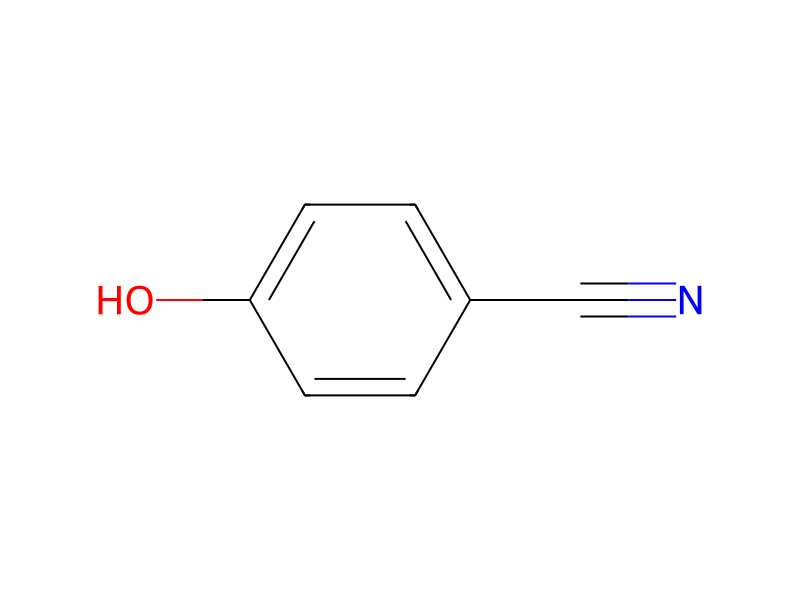
[Cl:1][CH:2]([CH3:16])[CH2:3][CH:4]([CH3:15])[O:5][C:6]1[CH:14]=[CH:13][C:9]([C:10]([OH:12])=[O:11])=[CH:8][CH:7]=1.[C:17]([C:19]1[CH:24]=[CH:23][C:22](O)=[CH:21][CH:20]=1)#[N:18].C1(N=C=NC2CCCCC2)CCCCC1>C(Cl)Cl>[C:17]([C:19]1[CH:24]=[CH:23][C:22]([O:11][C:10](=[O:12])[C:9]2[CH:13]=[CH:14][C:6]([O:5][C@@H:4]([CH3:15])[CH2:3][C@@H:2]([Cl:1])[CH3:16])=[CH:7][CH:8]=2)=[CH:21][CH:20]=1)#[N:18]Participants
5
Reactant 3


Product 1

Reagents, catalysts & solvents 1

Procedure
1.00 g of 4-(3'-chloro-1'-methylbutoxy)benzoic acid, 0.50 g of 4-cyanophenol, 0.93 g of dicyclohexylcarbodiimide, 0.10 g of 4-pyrrolydinopyridine and 10 ml of methylene chloride were stirred together at room temperature for five hours. The dicyclohexyl urea thus precipitated was filtered and the filtrate was desolvated. The crude product thus obtained was purified by silica gel column chromatography with the use of a mixture of ethyl acetate and n-hexane (1:4) as a developing solvent to thereby give the title compound.
Workup
- customThe dicyclohexyl urea thus precipitated
- filtrationwas filtered
- customThe crude product thus obtained
- customwas purified by silica gel column chromatography with the use of a mixture of ethyl acetate and n-hexane (1:4) as a developing solvent
Sources & evidence
- ORD record
- ord-d1485c39d72b458f9a1cb668a33cd505
- Source dataset
- uspto-grants-1995_03
- Patent number
- US05401436
Reaction notes
Loading…