Methacryloyl chloride → HCID 54318831, compound
Reaction equation

[OH:1][CH2:2][CH2:3][CH2:4][CH2:5][CH2:6][CH2:7][CH2:8][CH2:9][CH2:10][CH2:11][C:12]1[CH:17]=[C:16]([CH2:18][CH2:19][CH2:20][CH2:21][CH2:22][CH2:23][CH3:24])[CH:15]=[CH:14][C:13]=1[OH:25].[C:26](Cl)(=[O:30])[C:27]([CH3:29])=[CH2:28]>N1C=CC=CC=1>[C:26]([O:1][CH2:2][CH2:3][CH2:4][CH2:5][CH2:6][CH2:7][CH2:8][CH2:9][CH2:10][CH2:11][C:12]1[CH:17]=[C:16]([CH2:18][CH2:19][CH2:20][CH2:21][CH2:22][CH2:23][CH3:24])[CH:15]=[CH:14][C:13]=1[OH:25])(=[O:30])[C:27]([CH3:29])=[CH2:28]Participants
4
Reactant 2
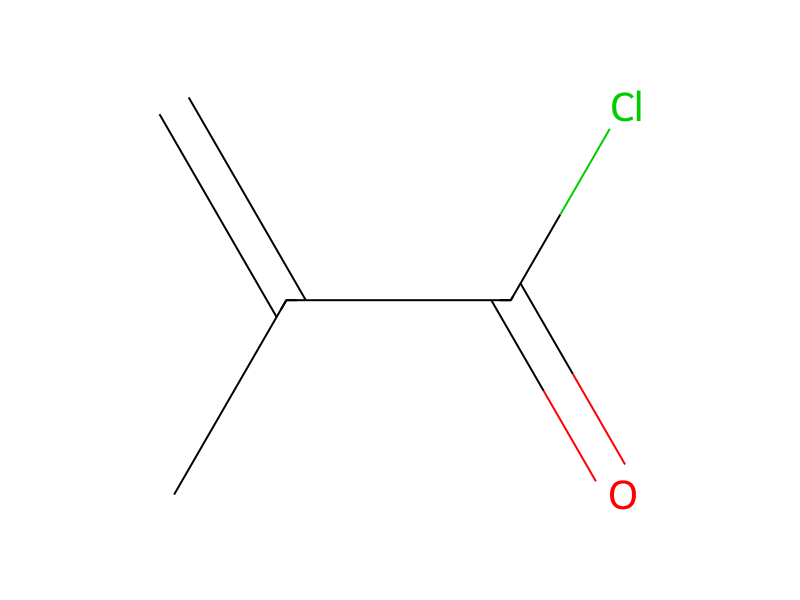

Product 1

Reagents, catalysts & solvents 1

Procedure
2-(10-Hydroxydecyl)-4-heptylphenol (0.1 mol) prepared according to Example 3a is reacted with methacryloyl chloride (0.1 mol) in 300 ml of pyridine at 5° C. to give 2-(10-methacryloyloxydecyl)-4-heptylphenol.
Sources & evidence
- ORD record
- ord-ec23b33dbef2439cb9b0a608a9b74ccb
- Source dataset
- uspto-grants-1993_03
- Patent number
- US05190689
Reaction notes
Loading…