Hydrochloric Acid → HCID 19775550, compound
Reaction equation

[N+:1]([C:4]1[CH:10]=[CH:9][C:7](N)=[CH:6][CH:5]=1)([O-:3])=[O:2].N([O-])=O.[Na+].[OH-].[Na+].[CH3:17][C:18](=[O:21])[CH:19]=[CH2:20].[ClH:22]>O.CC(C)=O>[Cl:22][CH:19]([CH2:20][C:7]1[CH:9]=[CH:10][C:4]([N+:1]([O-:3])=[O:2])=[CH:5][CH:6]=1)[C:18](=[O:21])[CH3:17]Participants

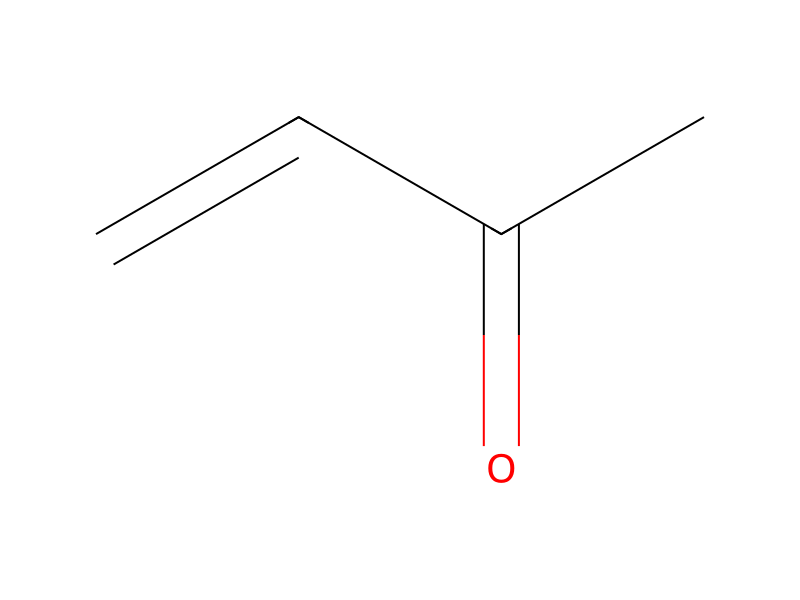






Procedure
27.6 g of 4-nitroaniline are dissolved in 180 ml of 20% hydrochloric acid. The solution is cooled to 0°-5° C. and a solution of 12.7 g of sodium nitrite in 30 ml of water is then added slowly, with cooling. The pH is then raised to 3 with a 25% solution of sodium hydroxide, the temperature being kept at 5°-10° C. A solution of 4.7 g of CuCl2 in 25 ml of water is added, followed by a solution of 17.3 ml of but-3-en-2-one in 180 ml of acetone. The reaction mixture is allowed to return to room temperature. After one night, it is decanted and the organic phase is concentrated. The residue is taken up with water and extracted with chloroform. After drying, the filtrate is concentrated to give a red oil, which is purified by chromatography on a silica column (eluent: 50/50 chloroform/petroleum ether) to give 15.4 g of 3-Chloro-4 -(4-nitrophenyl)-butan-2-one in the form of an orange solid melting at 86° C.
Workup
- temperatureThe solution is cooled to 0°-5° C.
- temperaturewith cooling
- custombeing kept at 5°-10° C
- customto return to room temperature
- waitAfter one night
- customit is decanted
- concentrationthe organic phase is concentrated
- extractionextracted with chloroform
- customAfter drying
- concentrationthe filtrate is concentrated
- customto give a red oil, which
- customis purified by chromatography on a silica column (eluent: 50/50 chloroform/petroleum ether)
Sources & evidence
- ORD record
- ord-c08de781def44446a98a99ed32d7df77
- Source dataset
- uspto-grants-1993_03
- Patent number
- US05192781
Reaction notes
Loading…