Trimethyl phosphite → HCID 19025087, compound
Reaction equation

[C:1](Cl)(=[O:15])[CH2:2][CH2:3][CH2:4][CH2:5][CH2:6][CH2:7][CH2:8][CH2:9][CH2:10][CH2:11][C:12](Cl)=[O:13].[P:17]([O:22]C)([O:20][CH3:21])[O:18][CH3:19].[P:24]([O-:29])([O:27][CH3:28])[O:25][CH3:26]>>[OH:15][C:1]([P:17]([O:18][CH3:19])(=[O:22])[O:20][CH3:21])([P:17]([O:20][CH3:21])(=[O:22])[O:18][CH3:19])[CH2:2][CH2:3][CH2:4][CH2:5][CH2:6][CH2:7][CH2:8][CH2:9][CH2:10][CH2:11][C:12]([OH:13])([P:17]([O:20][CH3:21])(=[O:22])[O:18][CH3:19])[P:24]([O:27][CH3:28])(=[O:29])[O:25][CH3:26]Participants
4
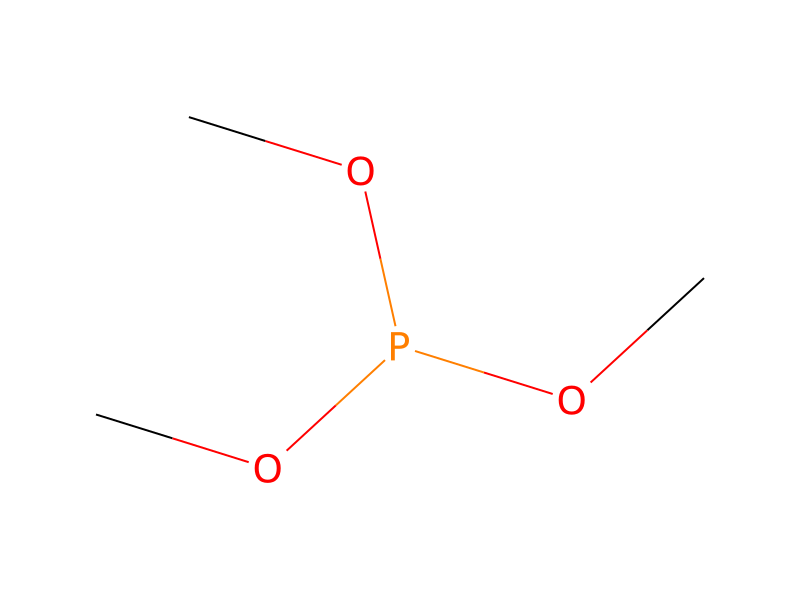

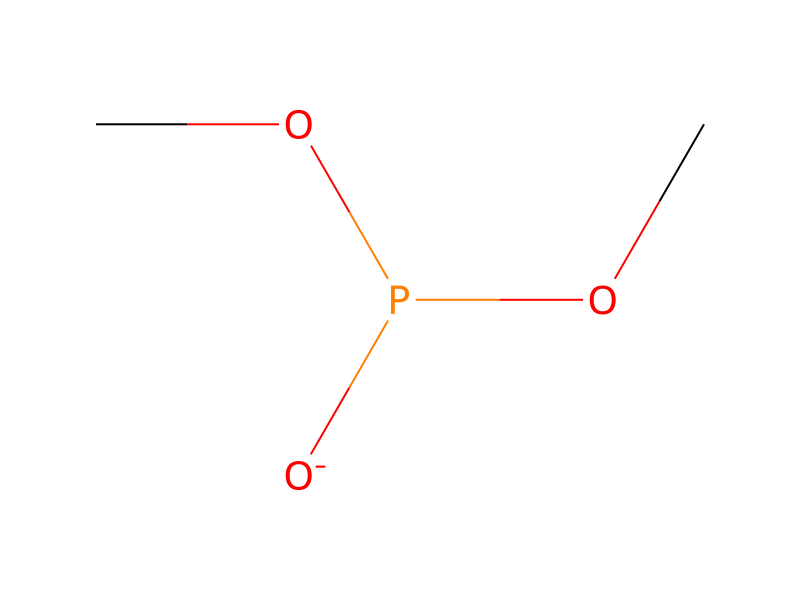

Conditions
- Temperature
- 90 °C
Procedure
5.34 g (0.02 mol) 1,12-dodecanedioyl dichloride was added dropwise, with stirring, in a nitrogen atmosphere, to a mixture of 4.96 g (0.04 mol) of trimethyl phosphite and 4.40 g (0.04 mol) of dimethyl phosphite at room temperature. The mixture was stirred for 10 hrs at 90° C. and the reaction mixture was evaporated under reduced pressure. The oily residue (9.8 g) showed a broad signal at δ=22.3 ppm in the 31P nmr spectrum.
Workup
- customthe reaction mixture was evaporated under reduced pressure
Sources & evidence
- ORD record
- ord-243f524648cb4cefafd37da097b2c398
- Source dataset
- uspto-grants-1993_03
- Patent number
- US05196409
Reaction notes
Loading…