1,2,3,4-Tetrahydro-1,1,4,4,6-pentamethylnaphthalene → 5,5,8,8-Tetramethyl-5,6,7,8-tetrahydro-2-naphthalenecarbaldehyde
Reaction equation

O=[N+]([O-])[O-].[O-][N+](=O)[O-].[O-][N+](=O)[O-].[O-][N+](=O)[O-].[O-][N+](=O)[O-].[O-][N+](=O)[O-].[Ce+4].[NH4+].[NH4+].[N+]([O-])([O-])=[O:29].[NH4+].[Ce].[CH3:34][C:35]1([CH3:48])[CH2:44][CH2:43][C:42]([CH3:46])([CH3:45])[C:41]2[CH:40]=[C:39]([CH3:47])[CH:38]=[CH:37][C:36]1=2>C(O)(=O)C>[CH3:34][C:35]1([CH3:48])[CH2:44][CH2:43][C:42]([CH3:46])([CH3:45])[C:41]2[CH:40]=[C:39]([CH:47]=[O:29])[CH:38]=[CH:37][C:36]1=2Participants

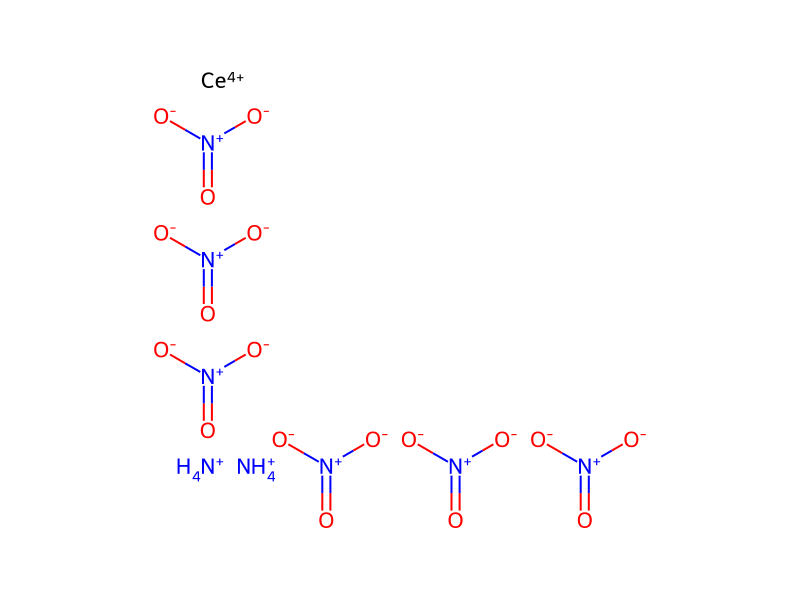
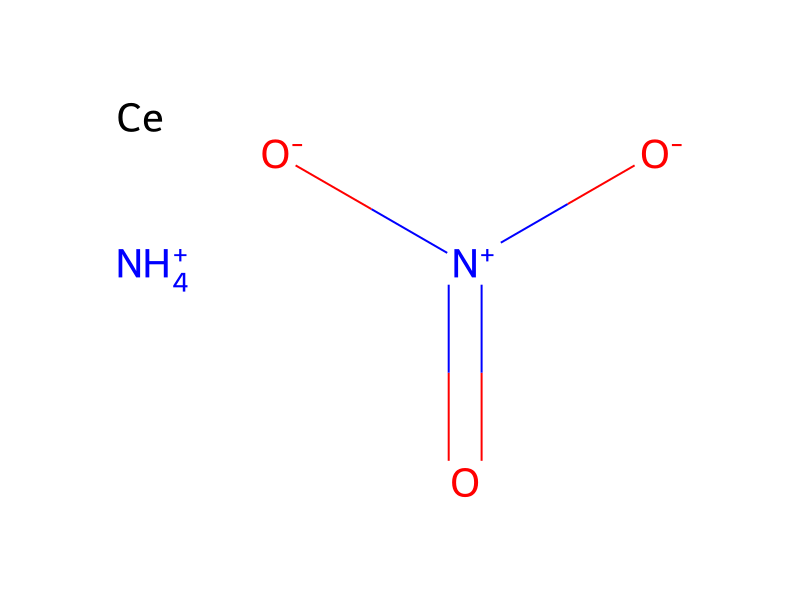


Conditions
- Temperature
- 100 °C
Procedure
The synthesis process is as set forth in the chemical reaction formula below. The CAN in the reaction path stands for cerium ammonium nitrate. To 5,6,7,8-tetrahydro-5,5,8,8-tetramethyl-2-methylnaphthalene (b) (202 mg, 1.00 mol) were added acetic acid (8.2 mL) and cerium ammonium nitrate (2.40 g, 4.37 mol) followed by stirring at 100° C. for 1 hour. The reaction solution was poured into ice water and extracted by ethyl acetate. The organic layer was washed by water, a saturated sodium hydrogen carbonate aq. solution and a saturated saline solution, dried over magnesium sulfate, and concentrated under reduced pressure. The crude product was purified by silica gel chromatography using hexane/ethyl acetate (15/1) as an elution solvent. The yield was 106 mg (49%).
Workup
- extractionextracted by ethyl acetate
- washThe organic layer was washed by water
- dry with materiala saturated sodium hydrogen carbonate aq. solution and a saturated saline solution, dried over magnesium sulfate
- concentrationconcentrated under reduced pressure
- customThe crude product was purified by silica gel chromatography
Sources & evidence
- ORD record
- ord-a8b5dcdd27e04124891270579f140223
- Source dataset
- uspto-grants-2014_07
- Patent number
- US08765719B2
Reaction notes
Loading…