Ammonium formate → N-(2,4-Dimethoxybenzyl)pyrimidin-4-amine
Reaction equation

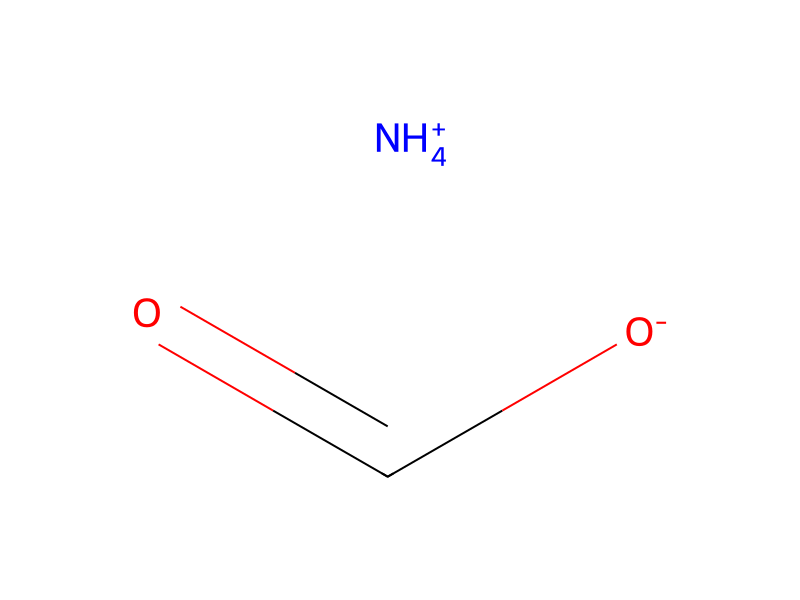
Cl[C:2]1[N:7]=[CH:6][N:5]=[C:4]([NH:8][CH2:9][C:10]2[CH:15]=[CH:14][C:13]([O:16][CH3:17])=[CH:12][C:11]=2[O:18][CH3:19])[CH:3]=1.C([O-])=O.[NH4+]>C(O)C>[CH3:19][O:18][C:11]1[CH:12]=[C:13]([O:16][CH3:17])[CH:14]=[CH:15][C:10]=1[CH2:9][NH:8][C:4]1[CH:3]=[CH:2][N:7]=[CH:6][N:5]=1Participants
4
Reactant 2

Product 1

Reagents, catalysts & solvents 1

Conditions
- Temperature
- 80 °C
Procedure
6-Chloro-N-(2,4-dimethoxybenzyl)pyrimidin-4-amine (Preparation 112, 3.46 g, 12.39 mmol) was dissolved in ethanol (140 mL). The solution was degassed and then 10% palladium on carbon (0.98 g) was added followed by ammonium formate (4.55 g, 72.15 mmol) and the reaction was heated at 80° C. for 2 hours. The reaction was cooled to room temperature, filtered through pad of Celite™ and the filtrate was concentrated in vacuo. The residue was partitioned between dichloromethane (30 mL) and water (15 mL). The organic layer was separated, dried over anhydrous MgSO4, filtered and evaporated to give the title compound (2.94 g, 97%) as viscous oil.
Workup
- customThe solution was degassed
- addition10% palladium on carbon (0.98 g) was added
- temperatureThe reaction was cooled to room temperature
- filtrationfiltered through pad of Celite™
- concentrationthe filtrate was concentrated in vacuo
- customThe residue was partitioned between dichloromethane (30 mL) and water (15 mL)
- customThe organic layer was separated
- dry with materialdried over anhydrous MgSO4
- filtrationfiltered
- customevaporated
Sources & evidence
- ORD record
- ord-f5c571e401594ebf840393c41adefd7e
- Source dataset
- uspto-grants-2014_07
- Patent number
- US08772293B2
Reaction notes
Loading…