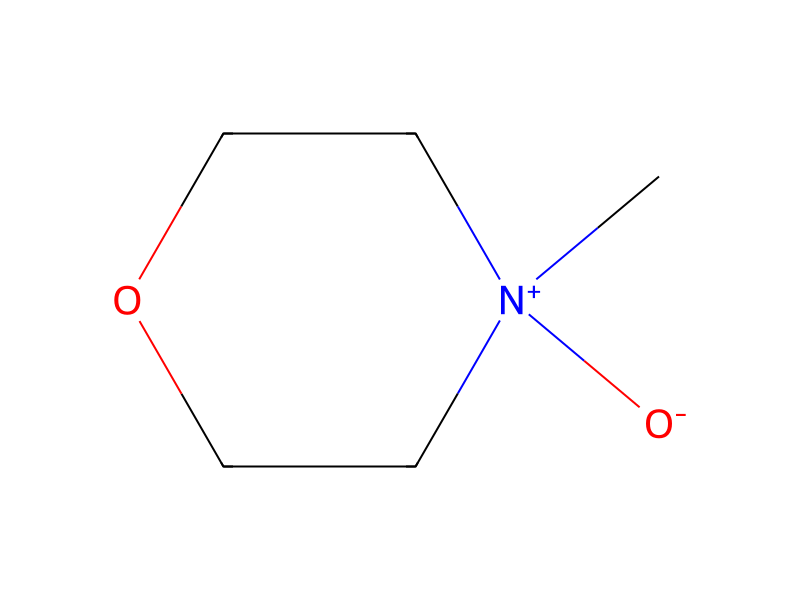
Methyl morpholine oxide → HCID 86590314, compound
Reaction equation

[O:1]=[C:2]1[C:10]2[C:5](=[CH:6][CH:7]=[CH:8][CH:9]=2)[C:4](=[O:11])[N:3]1[CH2:12][CH2:13][C:14]1([CH2:17][OH:18])[CH2:16][CH2:15]1.C[N+]1([O-])CCOCC1>C(Cl)Cl.[Ru]([O-])(=O)(=O)=O.C([N+](CCC)(CCC)CCC)CC>[O:1]=[C:2]1[C:10]2[C:5](=[CH:6][CH:7]=[CH:8][CH:9]=2)[C:4](=[O:11])[N:3]1[CH2:12][CH2:13][C:14]1([CH:17]=[O:18])[CH2:15][CH2:16]1Participants
5
Reactant 2

Product 1

Reagents, catalysts & solvents 2

Procedure
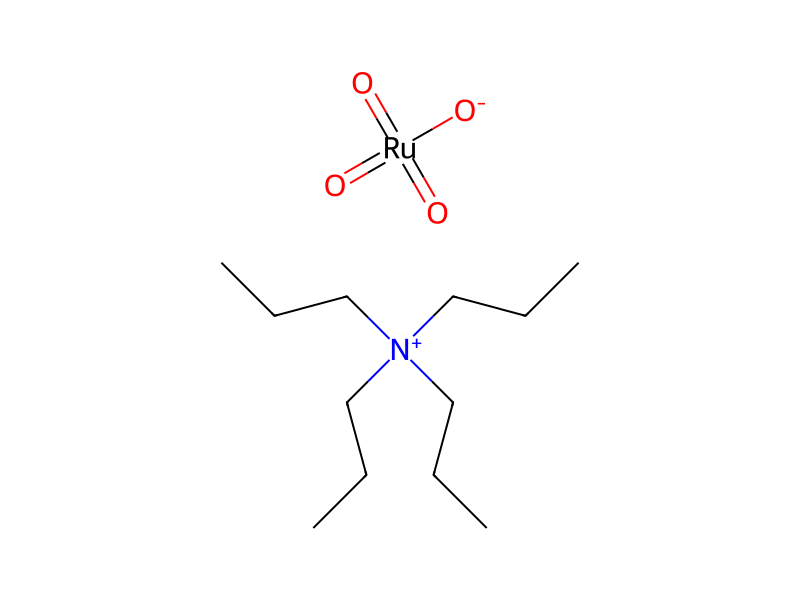
To a solution of 1-[2-(1,3-Dioxo-1,3-dihydro-isoindol-2-yl)-ethyl]-cyclopropane-methanol (0.31 g, 1.26 mmol) in CH2Cl2 (6 mL) was added sequentially 3 Å molecular sieves (0.644 g), N-methylmorpholine N-oxide (0.223 g, 1.90 mmol), and tetrapropylammonium perruthenate (88 mg, 0.25 mmol). After 30 minutes, the mixture was filtered through silica gel and the cake was washed with ether. The solvent was removed from the filtrate under reduced pressure and provided 0.25 g (82%) of 1-[2-(1,3-Dioxo-1,3-dihydro-isoindol-2-yl)-ethyl]-cyclopropanecarboxaldehyde as a colorless oil.
Workup
- filtrationthe mixture was filtered through silica gel
- washthe cake was washed with ether
- customThe solvent was removed from the filtrate under reduced pressure
Sources & evidence
- ORD record
- ord-99e26e6a07d24d6a9d5a8aacb0045ac2
- Source dataset
- uspto-grants-2014_07
- Patent number
- US08778967B2
Reaction notes
Loading…