1-Bromooctane → Methyl 3,5-bis(octyloxy)benzoate
Reaction equation

[CH3:1][O:2][C:3](=[O:12])[C:4]1[CH:9]=[C:8]([OH:10])[CH:7]=[C:6]([OH:11])[CH:5]=1.[CH2:13](Br)[CH2:14][CH2:15][CH2:16][CH2:17][CH2:18][CH2:19][CH3:20]>>[CH3:1][O:2][C:3](=[O:12])[C:4]1[CH:5]=[C:6]([O:11][CH2:13][CH2:14][CH2:15][CH2:16][CH2:17][CH2:18][CH2:19][CH3:20])[CH:7]=[C:8]([O:10][CH2:13][CH2:14][CH2:15][CH2:16][CH2:17][CH2:18][CH2:19][CH3:20])[CH:9]=1Participants
3
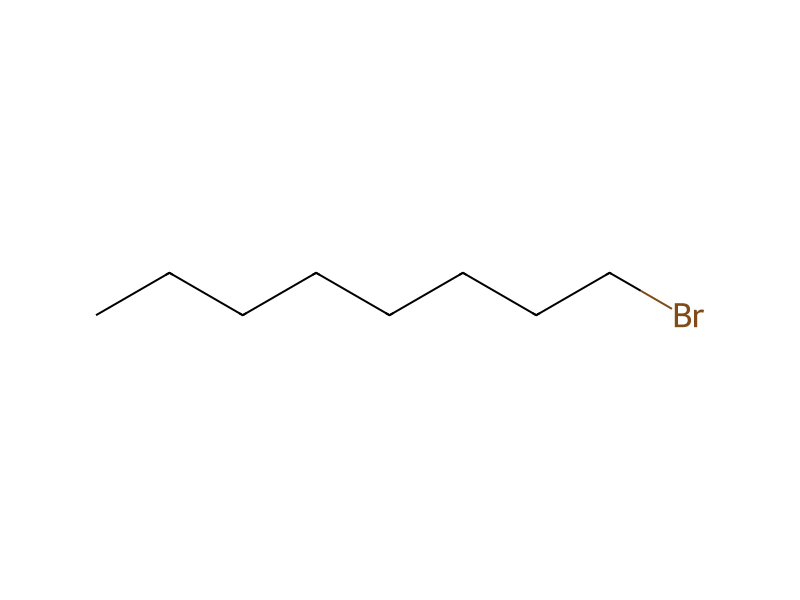


Procedure
200 ml of ethyl alcohol and then 2.3 g of purified sodium are introduced into a 500 ml Erlenmeyer flask. A reflux condenser is fitted to the Erlenmeyer flask and the reaction medium is stirred with a magnetized bar. When the sodium ethylate is formed, 8.4 g of methyl-3,5-dihydroxybenzoate is added, accompanied by stirring. As soon as the medium has become homogeneous, 20.26 g of distilled octyl bromide are added dropwise. Heating under refluxing takes place for 20 hours.
Workup
- temperatureHeating
- temperatureunder refluxing
- customfor 20 hours
Sources & evidence
- ORD record
- ord-b16ab4a2e3744e7ba34e93f3c78411af
- Source dataset
- uspto-grants-1984_10
- Patent number
- US04474679
Reaction notes
Loading…