Triethylamine → HCID 20443118, compound
Reaction equation

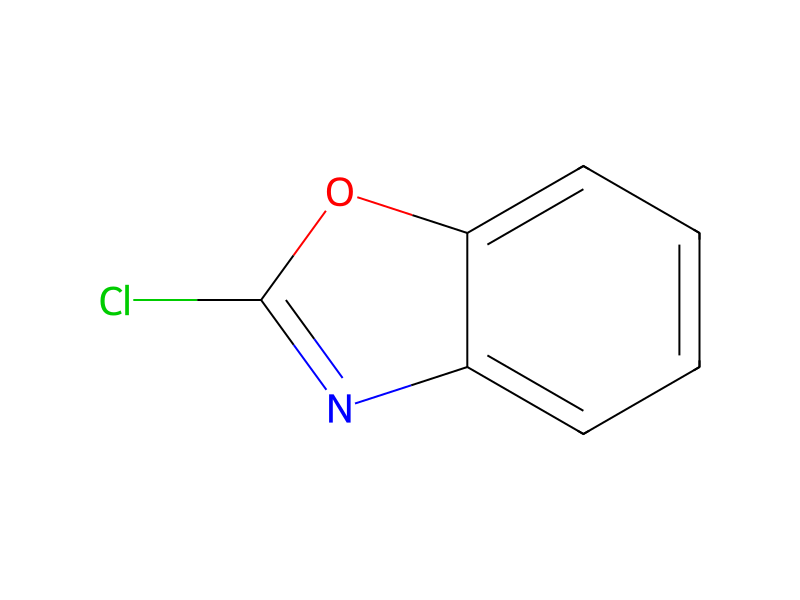
Cl[C:2]1[O:3][C:4]2[CH:10]=[CH:9][CH:8]=[CH:7][C:5]=2[N:6]=1.[CH3:11][C:12]([CH3:18])([CH2:15][NH:16][NH2:17])[C:13]#[N:14].C(N(CC)CC)C>O1CCOCC1>[O:3]1[C:4]2[CH:10]=[CH:9][CH:8]=[CH:7][C:5]=2[N:6]=[C:2]1[N:16]([CH2:15][C:12]([CH3:18])([CH3:11])[C:13]#[N:14])[NH2:17]Participants
Reactant 3


Product 1

Reagents, catalysts & solvents 1

Procedure
A solution of 2,2-dimethyl-2-cyanoacetaldehyde (9.4 g.) in ethanol (100 ml.) is added dropwise to a solution of hydrazine hydrate (40 g.) in ethanol (400 ml.), heated under reflux over a period of 3 hours. The solvent and excess of reagent are removed in vacuo to give 2,2-dimethyl-2-cyanoacetaldehyde hydrazone. This is dissolved in ethanol (100 ml.) and treated at room temperature with sodium borohydride (3.7 g.). The reaction mixture is stirred for two hours, acidified with acetic acid to pH 5, diluted with water and extracted with methylene chloride. The organic phase is dried and concentrated in vacuo to give 2,2-dimethyl-3-hydrazinopropanenitrile. A solution of 2-chlorobenzoxazole (15.3 g.) in dioxane (150 ml.) is added dropwise at 0° C. to a solution of 2,2-dimethyl-3-hydrazinopropanenitrile (11.3 g.) and triethylamine (10.1 g.) in dioxane (400 ml.). Stirring is continued overnight at room temperature. The precipitate is filtered and the filtrate concentrated in vacuo. The residue is washed with water and crystallized to give 3-[1-(2-benzoxazolyl) hydrazino)-2,2-dimethylpropanenitrile.
Workup
- filtrationThe precipitate is filtered
- concentrationthe filtrate concentrated in vacuo
- washThe residue is washed with water
- customcrystallized
Sources & evidence
- ORD record
- ord-3d9a7d4fc25a437890348c4633bcba3b
- Source dataset
- uspto-grants-1984_10
- Patent number
- US04476137
Reaction notes
Loading…