Sodium hydride → Dimethyl 2-(2,4,5-trimethylphenyl)-malonate
Reaction equation

[H-].[Na+].[CH3:3][C:4]1[CH:9]=[C:8]([CH3:10])[C:7]([CH3:11])=[CH:6][C:5]=1[CH2:12][C:13]([O:15][CH3:16])=[O:14]>C(=O)(OC)OC>[CH3:3][C:4]1[CH:9]=[C:8]([CH3:10])[C:7]([CH3:11])=[CH:6][C:5]=1[CH:12]([C:13]([O:15][CH3:16])=[O:14])[C:13]([O:15][CH3:16])=[O:14]Participants
Reactant 2


Product 1

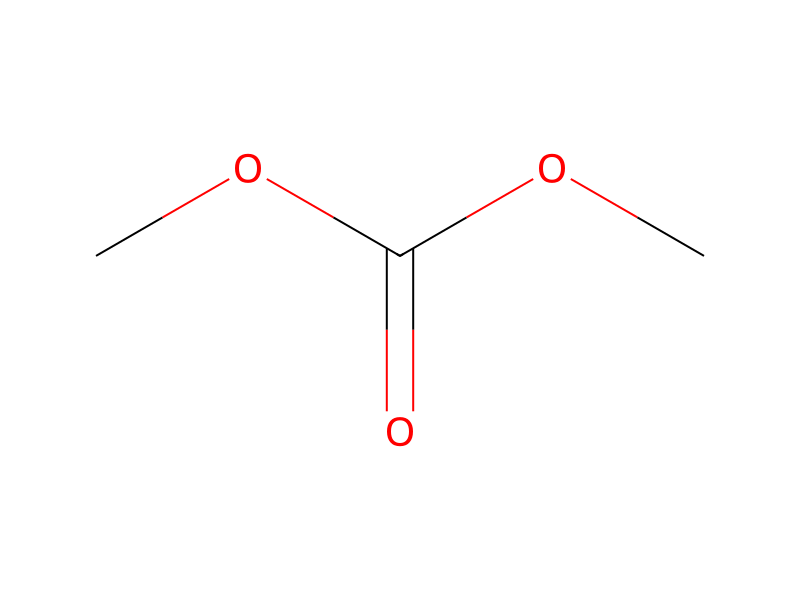
Reagents, catalysts & solvents 1
Conditions
- Temperature
- 80 °C
Procedure
18.6 g (0.62 mol, 80% pure) of sodium hydride were initially introduced into 384 ml of dimethyl carbonate and the mixture was heated to about 80° C. 48 g (0.25 mol) of methyl 2,4,5-trimethylphenylacetate, dissolved in 100 ml of dimethyl carbonate, were then added dropwise and the mixture was heated under reflux for 4 hours. It was cooled to room temperature, the excess sodium hydride was destroyed with ethanol and the mixture was then poured into 1500 ml of ice-water. A pH of 4 to 5 was established with 6 N hydrochloric acid and the organic phase was taken up in toluene. The organic phase was separated off, dried and concentrated and the residue was employed in the next stage without further purification. 51.6 g of dimethyl 2-(2,4,5-trimethylphenyl)-malonate were obtained as an oil.
Workup
- additionwere then added dropwise
- temperaturethe mixture was heated
- temperatureunder reflux for 4 hours
- temperatureIt was cooled to room temperature
- customthe excess sodium hydride was destroyed with ethanol
- additionthe mixture was then poured into 1500 ml of ice-water
- customThe organic phase was separated off
- customdried
- concentrationconcentrated
- customthe residue was employed in the next stage without further purification
Sources & evidence
- ORD record
- ord-c7b7ee8f6ae247789e6ac4ecf1ff0be7
- Source dataset
- uspto-grants-2003_01
- Patent number
- US06511942B1
Reaction notes
Loading…