Potassium Carbonate → HCID 70305413, compound
Reaction equation

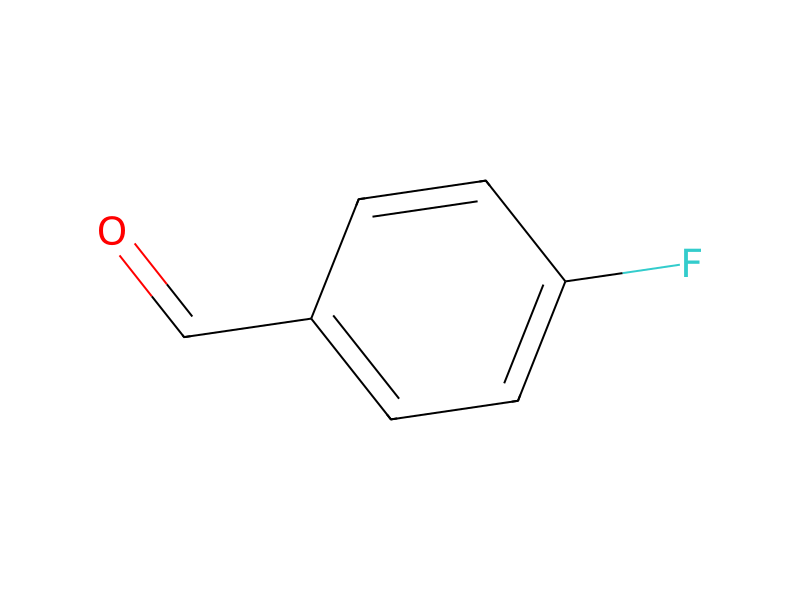
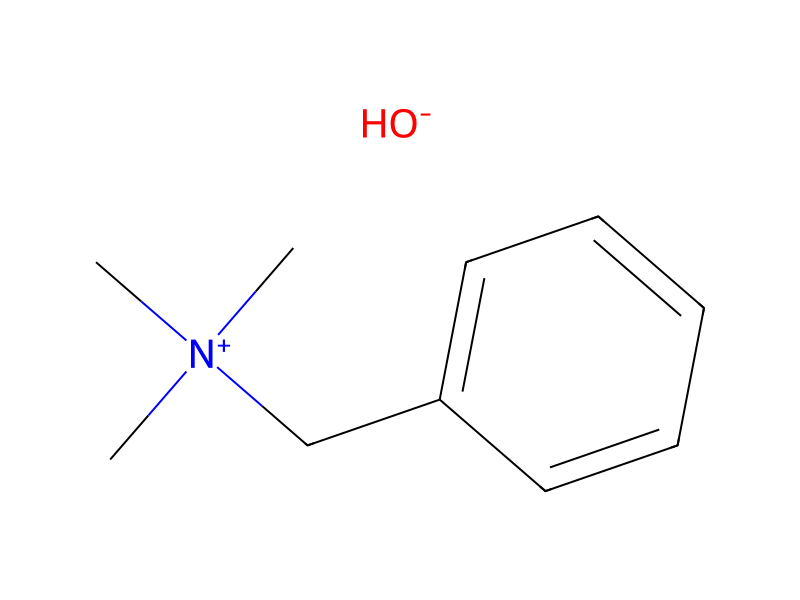
F[C:2]1[CH:9]=[CH:8][C:5]([CH:6]=O)=[CH:4][CH:3]=1.C([N:13]([C:17]1[CH:24]=[CH:23][CH:22]=[CH:21][C:18]=1C=O)CC=C)C=C.[CH2:25]([NH:28][CH2:29][CH:30]=[CH2:31])[CH:26]=[CH2:27].C([O-])([O-])=[O:33].[K+].[K+]>CS(C)=O.CO.[OH-].C([N+](C)(C)C)C1C=CC=CC=1>[CH2:25]([N:28]([C:22]1[C:23]([CH:24]=[CH:6][C:5]2[CH:8]=[CH:9][CH:2]=[CH:3][CH:4]=2)=[N+:13]([O-:33])[CH:17]=[CH:18][CH:21]=1)[CH2:29][CH:30]=[CH2:31])[CH:26]=[CH2:27]Participants
Reactant 4



Product 1

Reagents, catalysts & solvents 3


Procedure
Synthesis of the structural chromophore building blocks is summarized in FIGS. 2(a) and 2(b) p-Fluorobenzaldehyde can be converted to diallylaminobenzaldehyde by refluxing with diallylamine in DMSO in the presence of K2CO3. By treating diallyaminobenzaldehyde with τ-picoline-N-oxide in dry methanol with Triton B Benzyl Trimethylammonium hydroxide as a catalyst, one obtains yellow crystalline diallylaminostyryl pyridine-N-oxide. The reason for using τ-picoline-N-oxide instead of τ-picoline is that τ-picoline is not sufficiently reactive with benzaldehyde and commonly it must be converted to a pyridinium salt before coupling it with the benzaldehyde. The pyridinium salt may then be hydrolyzed to obtain free base. This cyclic procedure is very inefficient and the total yield is very low. Treating the pyridine-N-oxide dye with excess 9-borabicyclononane (9-BBN) in THF, the desired molecular building block, bis(3-hydroxylpropylaminosyryl) pyridine is obtained. This reaction can be understood as a three step process. First 9-BBN adds to the allyl double bonds. The excess 9-BBN reduces the pyridine-N-oxide to pyridine, then by adding H2O2 and NaOH the boron-carbon bond is cleaved to yield the final product of bis(3-hydroxylpropylaminostyryl) pyridine. The absence of stilbazole-N-oxide in the final product can be conveniently monitored by the shift of 1H NMR from 8.08 ppm to 8.44 ppm.
Workup
- customSynthesis of the structural chromophore building blocks
Sources & evidence
- ORD record
- ord-0df4b9d2fbbb4347b00d2658b73dd80a
- Source dataset
- uspto-grants-2000_03
- Patent number
- US06033774
Reaction notes
Loading…