Acetaldehyde → Cyclohexanecarboxaldehyde
Reaction equation

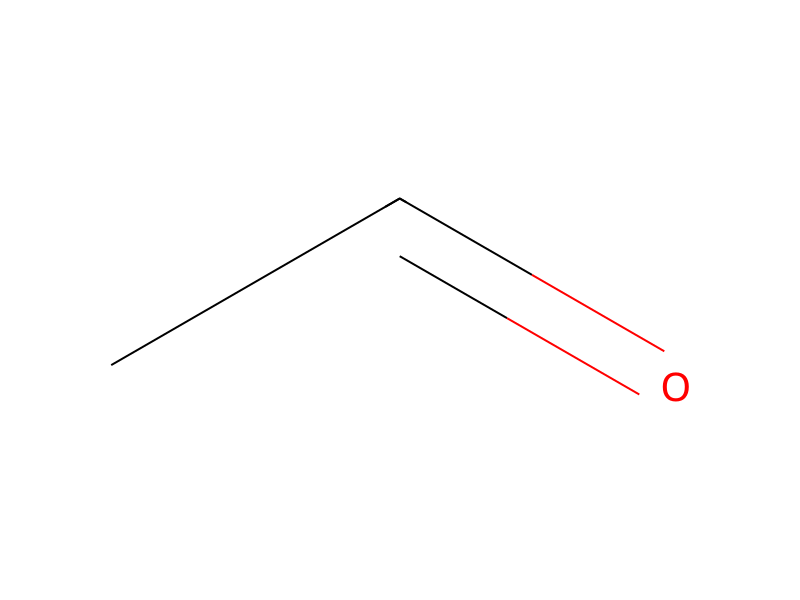
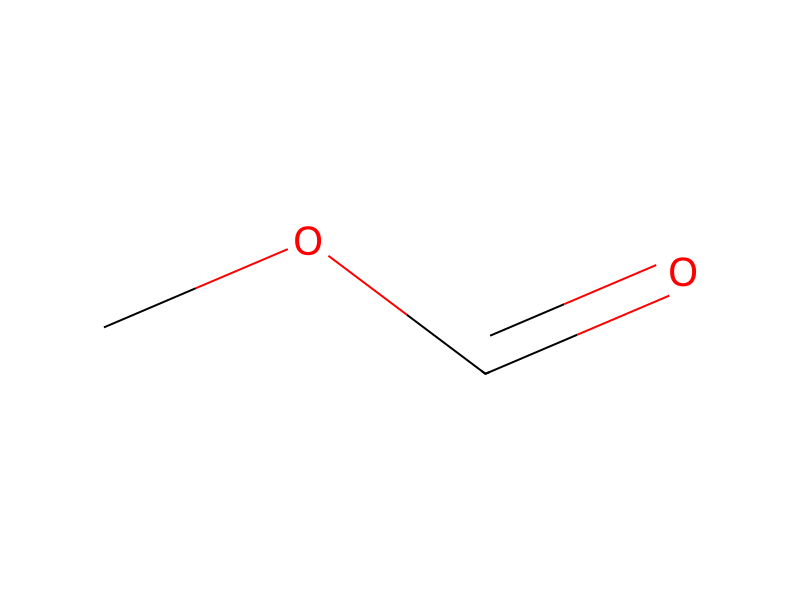
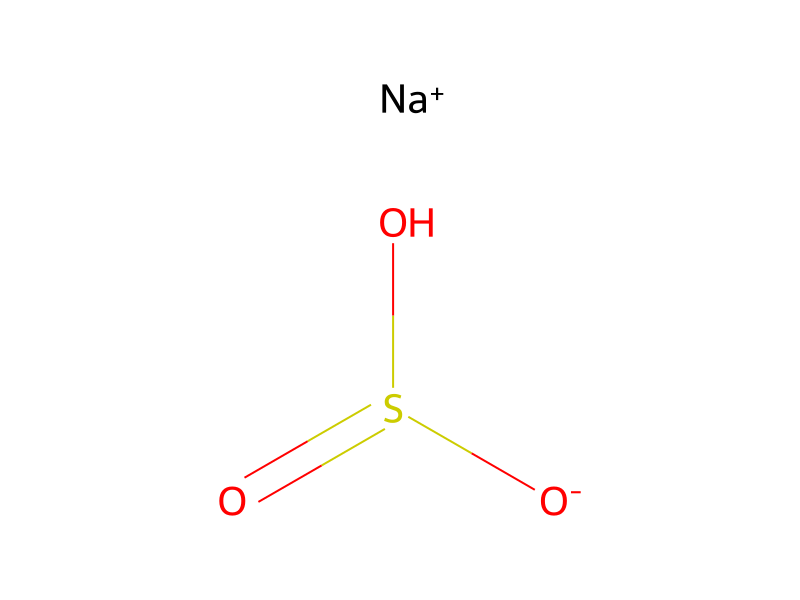
[CH:1](=[O:3])[CH3:2].C(OC)=O.[S:8](=[O:11])([OH:10])[O-:9].[Na+:12].[OH-].[Na+].[CH2:15]1[CH2:20][CH2:19]C[CH2:17][CH2:16]1>O>[CH:2]1([CH:1]=[O:3])[CH2:19][CH2:20][CH2:15][CH2:16][CH2:17]1.[S:8](=[O:9])([OH:11])[O-:10].[Na+:12]Participants
8




Procedure
A solution of cyclohexane with 1000 ppm acetaldehyde and 500 ppm methyl formate impurities was prepared and a partitioning run was carried out in a 500 mL separatory funnel, reacting this mixture with aqueous sodium bisulfite as the reducing agent and aqueous sodium hydroxide as the base. The cyclohexane-aldehyde solution was prepared by mixing 1000 g cyclohexane, 1.0 g acetaldehyde, and 0.5 g methyl formate in a large flask. After mixing, a portion was decanted into a labeled vial for analysis. Sodium bisulfite solution was prepared by mixing 9.66 g water and 2.16 g Na2S2O5 in a flask with shaking until complete dissolution had occurred. Sodium hydroxide solution was drawn from 0.2 N sodium hydroxide laboratory stock solution.
Workup
- customa partitioning run was carried out in a 500 mL separatory funnel
- additionAfter mixing
- customa portion was decanted into a labeled vial for analysis
Sources & evidence
- ORD record
- ord-d31e65275e30489eb163ca0ced945bc0
- Source dataset
- uspto-grants-2000_03
- Patent number
- US06037516
Reaction notes
Loading…