2-Chloroethanol → HCID 19839331, compound
Reaction equation

[CH2:1]([N:9]([CH2:11][CH2:12][CH2:13][CH2:14][CH2:15][CH2:16][CH2:17][CH3:18])[CH3:10])[CH2:2][CH2:3][CH2:4][CH2:5][CH2:6][CH2:7][CH3:8].[Cl:19][CH2:20][CH2:21][OH:22]>CC(CC)=O>[Cl-:19].[CH2:11]([N+:9]([CH2:1][CH2:2][CH2:3][CH2:4][CH2:5][CH2:6][CH2:7][CH3:8])([CH3:10])[CH2:20][CH2:21][OH:22])[CH2:12][CH2:13][CH2:14][CH2:15][CH2:16][CH2:17][CH3:18]Participants
4
Reactant 2
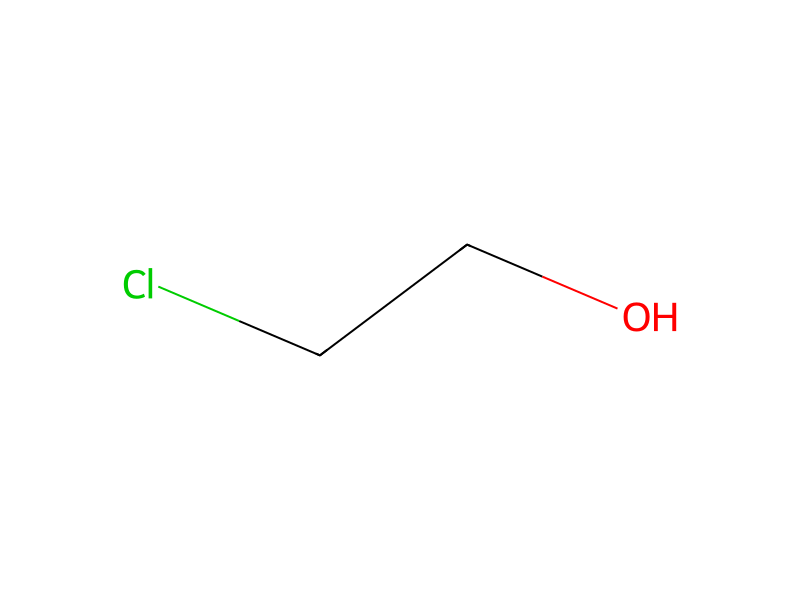

Product 1

Reagents, catalysts & solvents 1

Procedure
Initially a hydroxyethyl quat was made by reacting 100 grams of dioctyl methyl amine with 42 mLs of 2-chloroethanol in 200 grams of methylethyl ketone solvent at reflux for 5 hours to obtain a methylethyl ketone solution of dioctyl methyl hydroxyethyl ammonium chloride. To this was added dropwise, 59.04 grams of glutaryl dichloride over a 1 hour period while sparging the mixture with nitrogen. This was held at reflux (90° C.) for 30 minutes to give a brown solution of di(dioctyl methyl ammonium ethyl)glutarate dichloride which could be recovered by evaporation of the methylethyl ketone under vacuum.
Workup
- temperatureat reflux for 5 hours
Sources & evidence
- ORD record
- ord-da071a234eff4381854ac0080bb84716
- Source dataset
- uspto-grants-1989_11
- Patent number
- US04883917
Reaction notes
Loading…