Acetic Acid → Methyl 6-fluoro-2-hydroxy-3,4-dihydro-1-naphthoate
Reaction equation

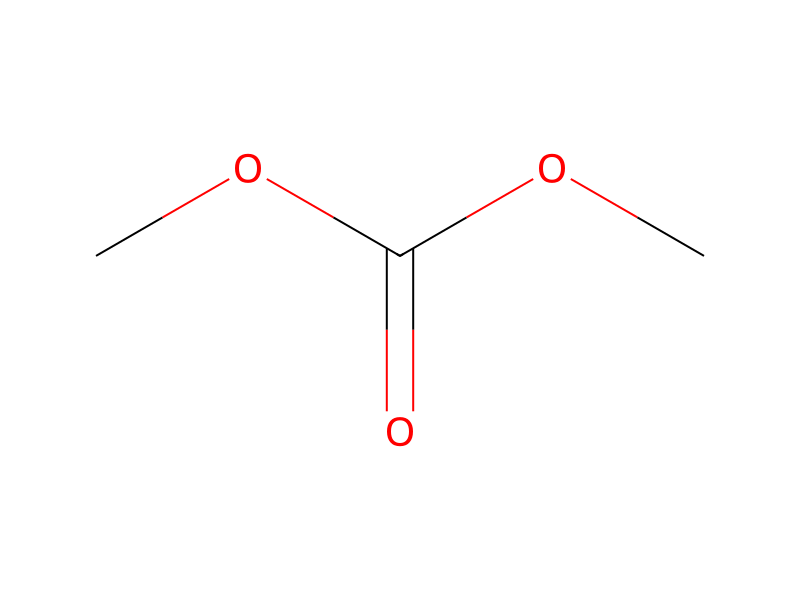
[H-].[Na+].[C:3](=[O:8])([O:6][CH3:7])OC.[F:9][C:10]1[CH:11]=[C:12]2[C:17](=[CH:18][CH:19]=1)[CH2:16][C:15](=[O:20])[CH2:14][CH2:13]2.C(O)(=O)C>C1(C)C=CC=CC=1.O>[F:9][C:10]1[CH:11]=[C:12]2[C:17](=[CH:18][CH:19]=1)[C:16]([C:3]([O:6][CH3:7])=[O:8])=[C:15]([OH:20])[CH2:14][CH2:13]2Participants






Conditions
- Temperature
- 0 °C
Procedure
12.66 g (316 mmol) of 60% sodium hydride in oil, 900 ml of toluene and 17.69 ml (210 mmol) of dimethyl carbonate are introduced into a 2 l reactor. The reaction mixture is stirred at reflux for 1 h. A solution of 19 g (115 mmol) of 6-fluoro-3,4-dihydro-1H-naphthalen-2-one in 350 ml of toluene is subsequently added. The reaction mixture is heated at reflux for 24 h. The reaction mixture is subsequently cooled to 0° C. and then acidified by addition of 114 ml of acetic acid. 114 ml of water are added and the separated organic phase is separated by settling and washed with two times 150 ml of water and then with 100 ml of a saturated aqueous sodium chloride solution. The organic phase is subsequently dried over magnesium sulphate and then concentrated under reduced pressure to result in 26.1 g of a product which is used as is in the following stage.
Workup
- temperatureat reflux for 1 h
- temperatureThe reaction mixture is heated
- temperatureat reflux for 24 h
- customthe separated organic phase is separated
- washwashed with two times 150 ml of water
- dry with materialThe organic phase is subsequently dried over magnesium sulphate
- concentrationconcentrated under reduced pressure
Sources & evidence
- ORD record
- ord-959164c965a24b5383bcc08d72cecf07
- Source dataset
- uspto-grants-2012_02
- Patent number
- US08114899B2
Reaction notes
Loading…