2-Methoxybenzaldehyde → o-Anisalacetone
Reaction equation

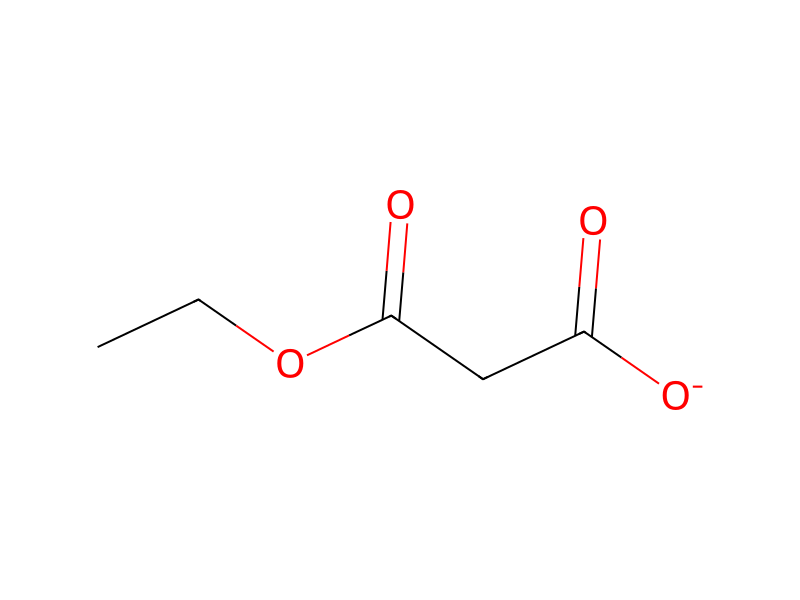
CC1NC2C[CH:9]([C:13]3[C:18]([O:19][CH3:20])=[CH:17][CH:16]=[CH:15][CH:14]=3)[CH2:10][C:11](=[O:12])[C:5]=2C(C2C=CC=C(O)C=2)C=1C(OCCOC)=O.C(O)(=O)C.N.COC1C=CC=CC=1C=O.C(OCC)(=O)CC([O-])=O>CC(C)=O>[CH3:20][O:19][C:18]1[CH:17]=[CH:16][CH:15]=[CH:14][C:13]=1[CH:9]=[CH:10][C:11](=[O:12])[CH3:5]Participants
Reactant 4


Product 1

Reagents, catalysts & solvents 1

Procedure
Synthesis of HPIs of the disclosure can be performed by any means by one of skill in the art. However, an example of synthesis of HPI-1 is provided. HPI-1 can be readily prepared in a one-pot synthesis using the Hantzsch reaction (Loev et al., J. Pharm. Pharmacol. (1972) 24:917-918) (see also FIG. 10 panel A-B). This synthetic transformation generates the dihydropyridyl pharmacophore from an aldehyde, two 1,3-diones, and ammonia acetate in high yields. First, one of the 1,3-diones was prepared in two synthetic steps (FIG. 10, panel A). 4-(2-methoxyphenyl)but-3-en-2-one was synthesized by an aldol condensation of 2-methoxybenzaldehyde and acetone, followed by dehydration. Reaction of the α,β-unsaturated ketone product with ethyl malonate generated an ester intermediate, which yielded the desired aryl-substituted 1,3-dione upon decarboxylation. HPI-1 was then synthesized by heating a mixture of the aryl-substituted 1,3-dione, 3-hydroxybenzaldehyde, 2-methoxyethyl acetoacetate, ammonium acetate, and the ionic liquid 1-butyl-3-methylimidazolium tetrafluoroborate (BMIM.BF4) (FIG. 10, panel B). Purification by silica gel chromatography yielded the final product as a mixture of four diastereomers in 63% overall yield. Using this procedure, it is possible to synthesize gram quantities of HPI-1, which would be sufficient for both research and clinical applications. HPI-1 derivatives set forth in Table II were similarly prepared.
Workup
- customSynthesis of HPIs of the disclosure
- customis provided
- customthe Hantzsch reaction (Loev et al., J. Pharm. Pharmacol. (1972) 24:917-918) (
- customFirst, one of the 1,3-diones was prepared in two synthetic steps (FIG. 10, panel A)
Sources & evidence
- ORD record
- ord-ca4d157c9b524a79a609051735db0091
- Source dataset
- uspto-grants-2012_02
- Patent number
- US08119640B2
Reaction notes
Loading…