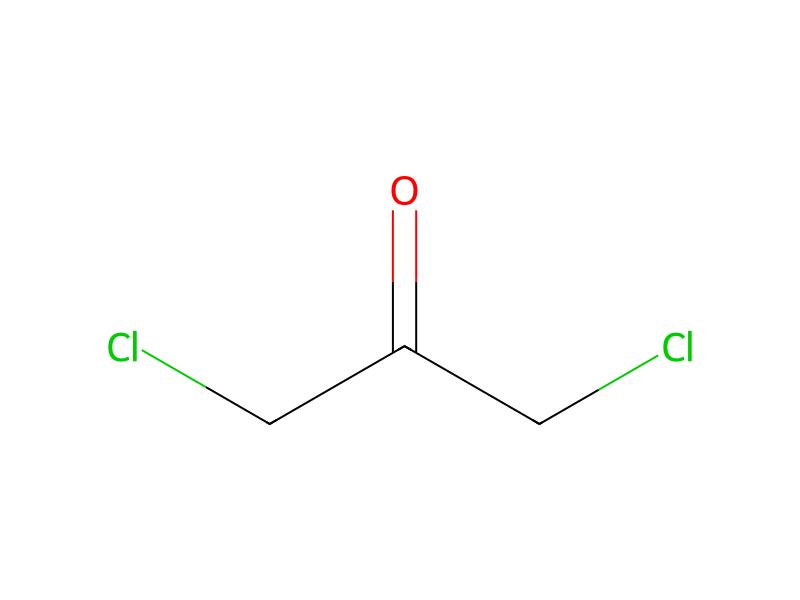
1,3-Dichloroacetone → {3-[4-(Chloromethyl)-1,3-thiazol-2-yl]-5-[4-(trifluoromethyl)phenyl]piperidin-1-yl}(morpholin-4-yl)methanone
Reaction equation

[N:1]1([C:7]([N:9]2[CH2:14][CH:13]([C:15]3[CH:20]=[CH:19][C:18]([C:21]([F:24])([F:23])[F:22])=[CH:17][CH:16]=3)[CH2:12][CH:11]([C:25](=[S:27])[NH2:26])[CH2:10]2)=[O:8])[CH2:6][CH2:5][O:4][CH2:3][CH2:2]1.[Cl:28][CH2:29][C:30](=O)[CH2:31]Cl>>[Cl:28][CH2:29][C:30]1[N:26]=[C:25]([CH:11]2[CH2:12][CH:13]([C:15]3[CH:20]=[CH:19][C:18]([C:21]([F:22])([F:23])[F:24])=[CH:17][CH:16]=3)[CH2:14][N:9]([C:7]([N:1]3[CH2:6][CH2:5][O:4][CH2:3][CH2:2]3)=[O:8])[CH2:10]2)[S:27][CH:31]=1Participants
3


Procedure
250 mg (about 0.44 mmol) of the compound from Example 53A and 60 mg (0.52 mmol) of 1,3-dichloropropan-2-one were reacted according to the General Method 3. Yield: 150 mg (12% of theory).
Sources & evidence
- ORD record
- ord-b29633b62535415bb321cc8e42102f46
- Source dataset
- uspto-grants-2012_02
- Patent number
- US08119663B2
Reaction notes
Loading…