Lauric Acid → Acrylic Acid
Reaction equation

[C:1]([OH:14])(=[O:13])[CH2:2][CH2:3]CC[CH2:6][CH2:7][CH2:8][CH2:9][CH2:10][CH2:11][CH3:12].CCCCCCCC/C=C\CCCCC[CH2:30][CH2:31][C:32]([O:34][CH2:35]C(O)[C@H]1OC[C@H](O)[C@H]1O)=[O:33]>C(OCC)(=O)C>[CH2:11]([CH:10]([CH2:9][CH2:8][CH2:7][CH3:6])[CH2:35][O:34][C:32](=[O:33])[CH:31]=[CH2:30])[CH3:12].[C:1]([OH:14])(=[O:13])[CH:2]=[CH2:3]Participants
5
Reactant 2
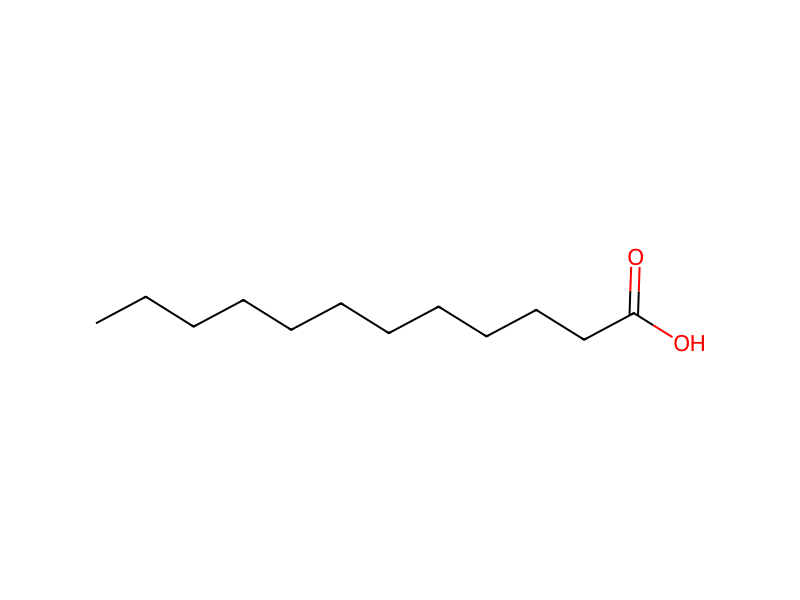

Product 2


Reagents, catalysts & solvents 1

Procedure
With 20 parts of lauric acid, 4 parts of polyoxyethylene sorbitan monooleate and 3 parts of sorbitan monooleate were mixed for dissolution 46 parts (as the solid portion) of a copolymer solution (C) obtained by conventional polymerization of 93 parts of acrylic acid 2-ethylhexyl ester and 7 parts of acrylic acid in ethyl acetate as the solvent to give a lipophilic phase.
Sources & evidence
- ORD record
- ord-7ba96f4c86794cd5bce24bb2f4c322a2
- Source dataset
- uspto-grants-1993_01
- Patent number
- US05176916
Reaction notes
Loading…