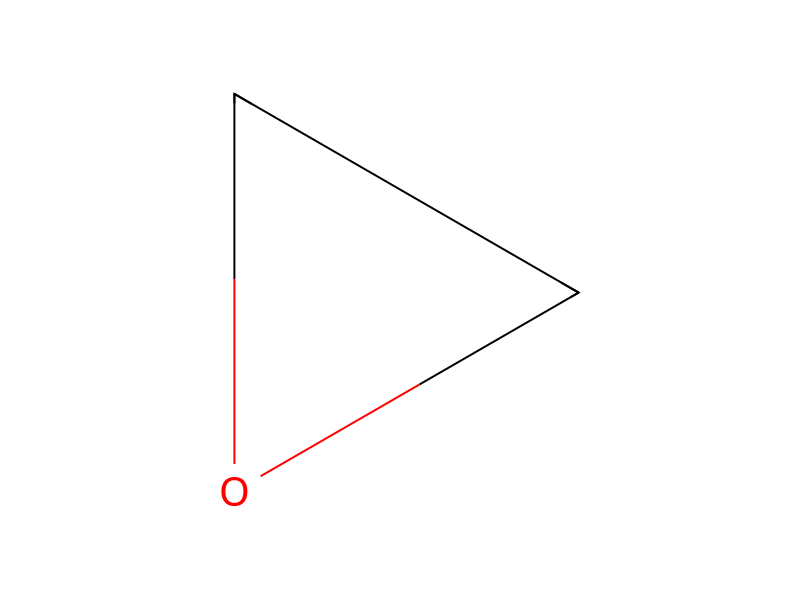
Ethylene Oxide → N-Vinylbenzyl-N-2-picolyl-N-2-hydroxyethylamine
Reaction equation

[CH:1]([N:3]([CH2:11][C:12]1[CH:17]=[CH:16][CH:15]=[CH:14][CH:13]=1)[CH2:4][C:5]1[CH:10]=[CH:9][CH:8]=[CH:7][N:6]=1)=[CH2:2].[CH2:18]1O[CH2:19]1.[O:21]1CCCC1>>[CH:1]([N:3]([CH2:4][C:5]1[CH:10]=[CH:9][CH:8]=[CH:7][N:6]=1)[CH2:11][CH:12]([CH2:17][C:16]1[CH:15]=[CH:14][CH:13]=[CH:19][CH:18]=1)[OH:21])=[CH2:2]Participants
4



Procedure
To a stirred solution containing 134.6 g (0.6 mole) of the 2-picolylamine substituted monomer of Example 4 in 300 mL of tetrahydrofuran were added dropwise 27.3 g (0.62 mole) of ethylene oxide over a 2 hour period. The reaction mixture was allowed to stir at room temperature for 20 hours and the solvent removed at reduced pressure to give 153.0 g of the hydroxyethylamine substituted monomer. This procedure is repeated, except substituting propylene oxide for the ethylene oxide, to provide the corresponding hydroxypropylamine substituted monomer.
Workup
- customthe solvent removed at reduced pressure
Sources & evidence
- ORD record
- ord-3daa6e3762f94561b0d739074e7a319a
- Source dataset
- uspto-grants-1993_01
- Patent number
- US05180822
Reaction notes
Loading…