Sodium Hydroxide → HCID 178434071, compound
Reaction equation

[CH3:1][N:2]1[C:6]([OH:7])=[C:5]([C:8](=[O:17])[C:9]2[CH:14]=[CH:13][C:12]([Cl:15])=[CH:11][C:10]=2[Cl:16])[C:4]([CH3:18])=[N:3]1.[OH-].[Na+].[Cl-].[Ca+2:22].[Cl-]>O>[Ca:22].[CH3:1][N:2]1[C:6]([OH:7])=[C:5]([C:8](=[O:17])[C:9]2[CH:14]=[CH:13][C:12]([Cl:15])=[CH:11][C:10]=2[Cl:16])[C:4]([CH3:18])=[N:3]1Participants
5
Reactant 3

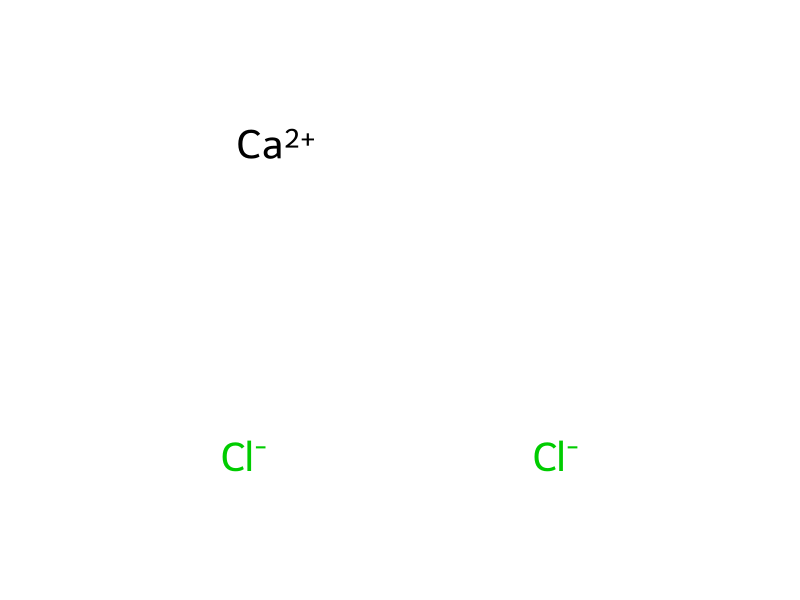

Product 1

Reagents, catalysts & solvents 1

Procedure
In 50 ml. of water is suspended 2.85 g. of 1,3-dimethyl-4-(2,4-dichlorobenzoyl)-5-hydroxypyrazole and the suspension is dissolved in about 5 ml. of a 2N aqueous solution of sodium hydroxide. A solution of 1.11 g. of calcium chloride in 10 ml. of water is added and the resulting mixture is stirred. The so separated precipitates are recovered by filtration and dried to give 2.4 g. of the desired product as white powder melting at about 260° C. Yield 79.0%.
Workup
- customThe so separated
- customprecipitates
- filtrationare recovered by filtration
- customdried
- customto give 2.4 g
Sources & evidence
- ORD record
- ord-f1585d7f5fa64e4895b45e3de2e9da4b
- Source dataset
- uspto-grants-1983_11
- Patent number
- US04414392
Reaction notes
Loading…