Iodoethane → HCID 15137076, compound
Reaction equation

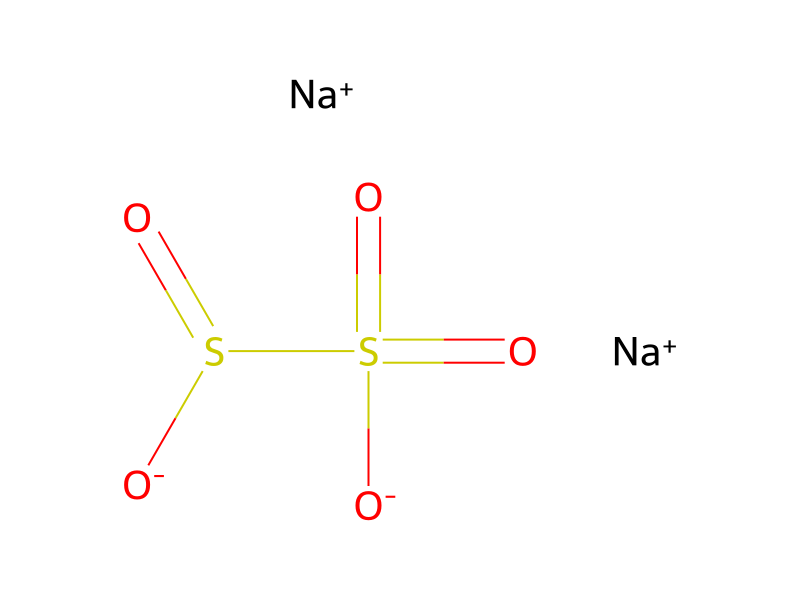
[N+:1]([C:4]1[CH:5]=[N:6][C:7]2[C:12]([C:13]=1[SH:14])=[CH:11][CH:10]=[CH:9][CH:8]=2)([O-:3])=[O:2].S(S([O-])=O)([O-])(=O)=O.[Na+].[Na+].[CH2:24](I)[CH3:25]>[OH-].[Na+]>[CH2:24]([S:14][C:13]1[C:12]2[C:7](=[CH:8][CH:9]=[CH:10][CH:11]=2)[N:6]=[CH:5][C:4]=1[N+:1]([O-:3])=[O:2])[CH3:25]Participants
Reactant 3


Product 1

Reagents, catalysts & solvents 1

Procedure
20.52 g (0.1 mole) of 3-nitro-4-quinoline-thiol are taken up in 150 ml of a molar sodium hydroxide solution. After addition of some sodium pyrosulfite crystals 23.3 g (0.15 mole) of ethyl iodide are added at 60° C. After the reaction has been completed the product formed is extracted with dichloro methane and the extract is evaporated. The 4-ethylthio-3-nitro-quinoline thus obtained (18.6 g) is dissolved in alcohol, an aqueous sodium sulfide solution is added, the reaction mixture is refluxed and then diluted with water. The product is extracted with dichloro methane, the extract is clarified and evaporated. From the residue (13.6 g, yield 83.5%) the hydrochloride is formed by usual methods. Thus 14.0 g of 3-amino-4-ethylthio-quinoline-hydrochloride are obtained. The product is identical with the compound prepared according to Example 1 or 2.
Workup
- additionare added at 60° C
- customformed
- extractionis extracted with dichloro methane
- customthe extract is evaporated
Sources & evidence
- ORD record
- ord-3a8fee6f316c444c9bab5f3446105311
- Source dataset
- uspto-grants-1990_05
- Patent number
- US04921861
Reaction notes
Loading…