Triethylamine → HCID 22852536, compound
Reaction equation

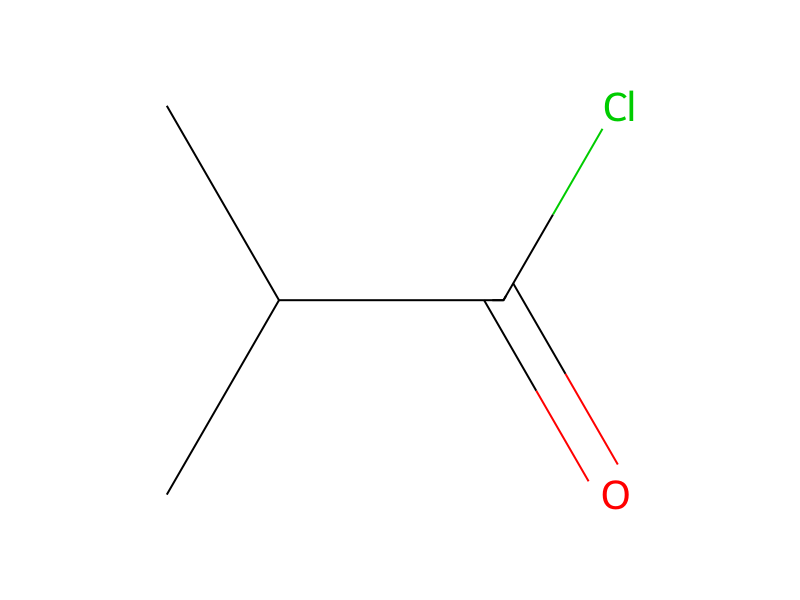
[F:1][C:2]1[CH:7]=[C:6]([F:8])[CH:5]=[CH:4][C:3]=1[C@:9]([OH:19])([C@H:16]([SH:18])[CH3:17])[CH2:10][N:11]1[CH:15]=[N:14][CH:13]=[N:12]1.C(N(CC)CC)C.[C:27](Cl)(=[O:31])[CH:28]([CH3:30])[CH3:29]>ClCCl>[F:1][C:2]1[CH:7]=[C:6]([F:8])[CH:5]=[CH:4][C:3]=1[C@:9]([OH:19])([C@H:16]([S:18][C:27](=[O:31])[CH:28]([CH3:30])[CH3:29])[CH3:17])[CH2:10][N:11]1[CH:15]=[N:14][CH:13]=[N:12]1Participants




Procedure
In dichloromethane (5 ml) was dissolved (2R,3R)-2-(2,4-difluorophenyl)-3-mercapto-1-(1H-1,2,4-triazol-1-yl)-2-butanol (143 mg), followed by addition of triethylamine (0.076 ml) and isobutyryl chloride (58.6 mg) under ice-cooling. The mixture was stirred at room temperature for 15 minutes, and then the solvent was distilled off under reduced pressure. The residue was purified by silica gel chromatography (eluent:hexane-ethyl acetate=1:2). The desired fraction was concentrated to give (2R,3R)-2-(2,4-difluorophenyl)-3-isobutyrylthio-1-(1H-1,2,4-triazol-1-yl)-2-butanol (compound 62, 140 mg) as a colorless syrup. This product was treated with 4N hydrochloric acid (in ethyl acetate) to give the hydrochloride, which was then crystallized from ether to give compound 62 hydrochloride (156 mg) as a colorless powder. m.p. 129°-138° C.
Workup
- temperaturecooling
- distillationthe solvent was distilled off under reduced pressure
- customThe residue was purified by silica gel chromatography (eluent:hexane-ethyl acetate=1:2)
- concentrationThe desired fraction was concentrated
Sources & evidence
- ORD record
- ord-599674970532475fbdbb2baa7aa3f4f2
- Source dataset
- uspto-grants-1995_04
- Patent number
- US05405861
Reaction notes
Loading…