Vinyl Acetate → N,N'-Dicyclohexylurea
Reaction equation

C(OC=C)(=[O:3])C.C(O)=C.C1(C)C=CC(S(N=C=O)(=O)=O)=CC=1.N(C1C=CC(C=C(C#N)C(O)=O)=CC=1)=[N+]=[N-].[CH:39]1([N:45]=[C:46]=[N:47][CH:48]2[CH2:53][CH2:52][CH2:51][CH2:50][CH2:49]2)[CH2:44][CH2:43][CH2:42][CH2:41][CH2:40]1>C(OC)(=O)C.CN(C)C1C=CN=CC=1>[CH:48]1([NH:47][C:46]([NH:45][CH:39]2[CH2:40][CH2:41][CH2:42][CH2:43][CH2:44]2)=[O:3])[CH2:53][CH2:52][CH2:51][CH2:50][CH2:49]1Participants
Reactant 5


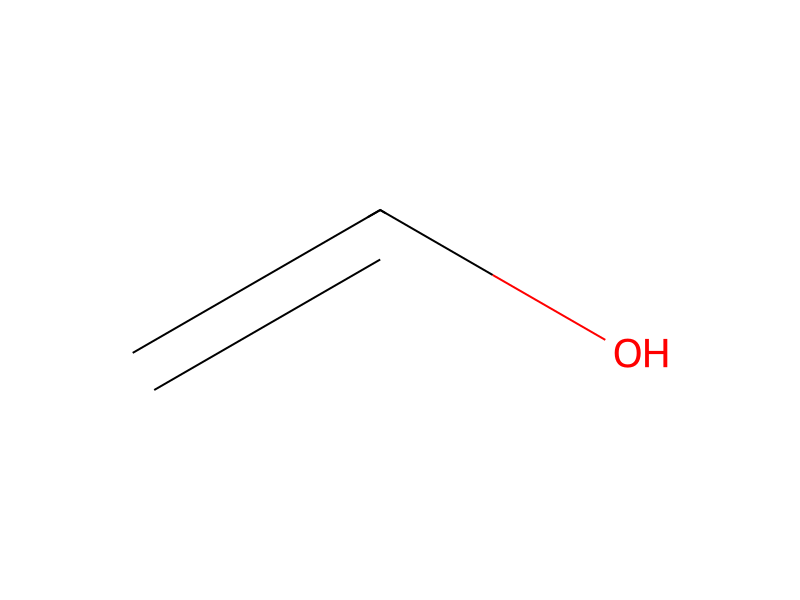


Product 1

Reagents, catalysts & solvents 2


Procedure
40g of poly (vinyl butyral) containing 74% by weight of vinyl butyral units, 2% by weight of vinyl acetate units and 24% by weight of vinyl alcohol units and having an approximate average molecular weight of 30,000, were dissolved in 500 cm3 of anhydrous methyl acetate at 40° C. To this solution, 28.5g of p-toluene sulphonyl isocyanate (TSI) dissolved in 40 cm3 of methyl acetate were added over the course of 15 minutes at 40° C. The reaction was allowed to continue for a further hour at 40° C. with stirring. 13.0g of 4-azidobenzylidene-α-cyano acetic acid were added followed by 12.46g of 1,3-dicyclo hexyl carbodiimide (DCC) dissolved in 40 cm3 of methyl acetate and finally 0.1g of 4-dimethylamino pyridine (DMAP). The reaction mixture was then refluxed for 3 hours and then cooled to ambient temperature whilst being stirred. The insoluble 1,3-dicyclo hexyl urea produced was removed by filtration and the filtrate was sprayed into 5 litres of water to isolate the product. The resulting fibrous precipitate was filtered off, washed with 3 litres of aqueous 1% w/w potassium carbonate solution to remove any free acid and then re-slurried into water 3 times. The final product was dried at 35° C. to constant weight.
Workup
- additionwere added over the course of 15 minutes at 40° C
- waitto continue for a further hour at 40° C.
- temperatureThe reaction mixture was then refluxed for 3 hours
- stirringwhilst being stirred
Sources & evidence
- ORD record
- ord-738ace27e7f54277be30ddf7d8a64056
- Source dataset
- uspto-grants-1993_10
- Patent number
- US05254431
Reaction notes
Loading…