Hydroxylamine → Dopamine
Reaction equation

CC1[C@H]2C(C)(C)C(C2)CC=1.C1OC2C=C([N+]([O-])=O)C(C=O)=CC=2O1.B(Br)(Br)Br.C(OC(=O)CN)C.[H-].[Al+3].[Li+].[H-].[H-].[H-].S(Br)(Br)=O.C(OC(=O)CN)(C)(C)C.NO.[CH:57]1[C:62]([OH:63])=[C:61]([OH:64])[CH:60]=[C:59](F)[C:58]=1[CH:66](O)[CH2:67][NH2:68]>>[NH2:68][CH2:67][CH2:66][C:58]1[CH:59]=[CH:60][C:61]([OH:64])=[C:62]([OH:63])[CH:57]=1Participants
Reactant 9
 HCID 787Hydroxylamine
 HCID 18624-(2-Amino-1-hydroxyethyl)-5-fluoro-1,2-benzenediol
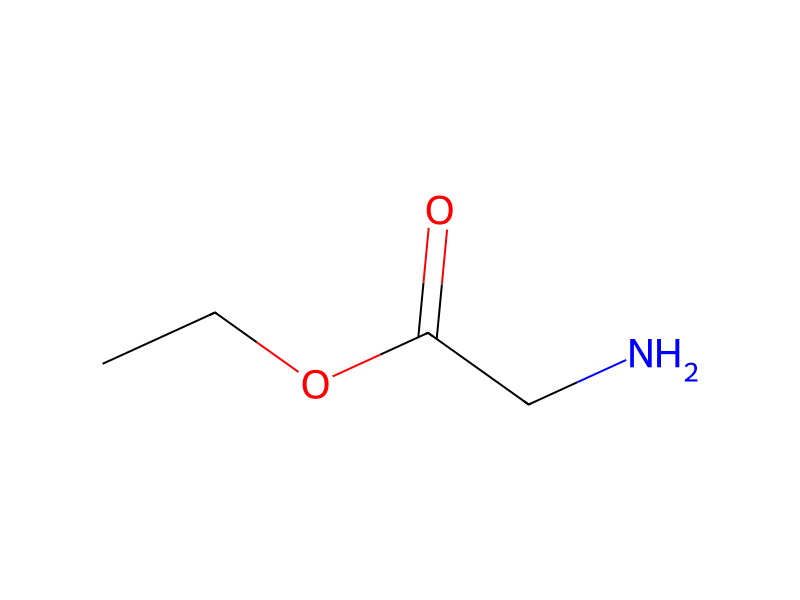 HCID 12176Glycine ethyl ester
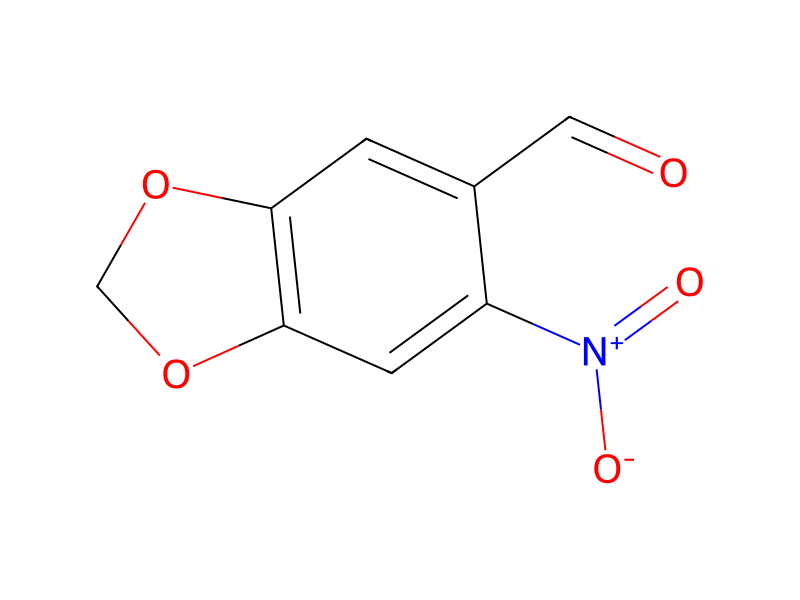 HCID 128406-Nitro-1,3-benzodioxole-5-carboxaldehyde
 HCID 25134Boron tribromide
 HCID 68176Thionyl bromide
 HCID 151417Glycine tert-butyl ester
 HCID 12223112HCID 12223112, compound
 HCID 21226445Aluminium lithium hydride
Product 1

Procedure
(1S)-(-)-α-pinene, 6-nitropiperonal, boron tribromide, glycine ethyl ester, lithium aluminum hydride (1M in diethyl ether) and thionyl bromide were obtained from Aldrich. Glycine t-butyl ester was purchased from Sigma Chemical Company. Hydroxylamine (free base) was obtained from Southwestern Analytic Chemicals, Inc. 6-Fluoronorepinephrine was purchased from RBI (Research Biochemicals Inc.). Dopamine and dopamine β-hydroxylase was obtained from the Sigma Chemical Co. 1H NMR spectra were also recorded with a Brucker 300 MHz in CDCl3 as a solvent using TMS as internal reference. Mass spectra were recorded with a Finnegan-Mat GC-MS 5100 mass spectrometer using electron impact ionization at 70 eV. HPLC analyses were carried out with a Perkin-Elmer liquid chromatograph equipped with a radioactivity monitor and UV detector. Optical rotation analysis was performed by Rudolph Instruments, Inc.
Sources & evidence
- ORD record
- ord-245f229b68e649248584cddec56d2b63
- Source dataset
- uspto-grants-1993_10
- Patent number
- US05254726
Reaction notes
Loading…