Hypochlorite → HCID 178524702, compound
Reaction equation

[C:1]([C:4]1[CH:5]=[N:6][C:7]2[C:12]([C:13]=1[OH:14])=[CH:11][CH:10]=[C:9]([CH:15]1[CH2:20][CH2:19][CH2:18][CH2:17][CH2:16]1)[CH:8]=2)(=[O:3])C.Cl[O-:22]>O1CCOCC1>[CH:15]1([C:9]2[CH:8]=[C:7]3[C:12]([C:13]([OH:14])=[C:4]([C:1]([OH:22])=[O:3])[CH:5]=[N:6]3)=[CH:11][CH:10]=2)[CH2:20][CH2:19][CH2:18][CH2:17][CH2:16]1Participants
4
Reactant 2
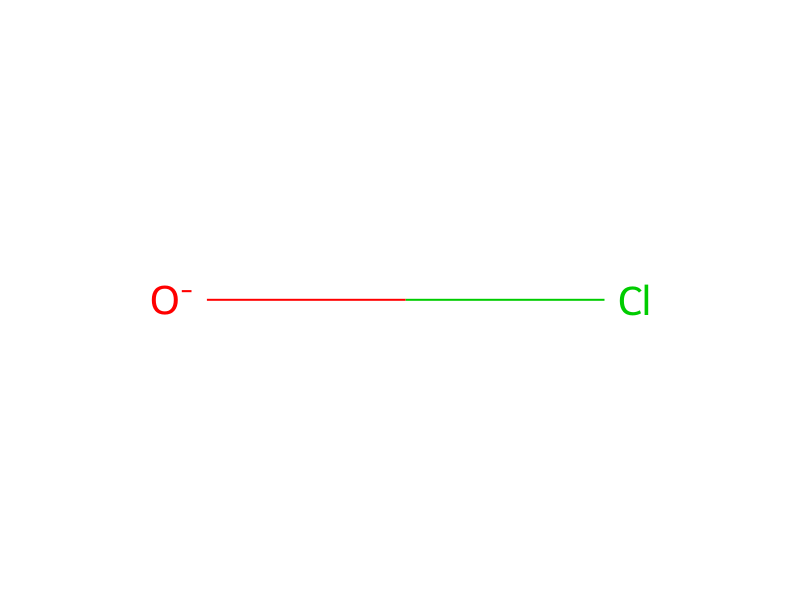

Product 1

Reagents, catalysts & solvents 1

Procedure
10 g of powdered 3-acetyl-4-hydroxy-7-cyclohexylquinoline are added to a solution of 10 ml of dioxane and 10 g of a freshly prepared hypochlorite solution at room temperature. After 45 minutes, the unconverted acetyl compound is washed out with chloroform. The aqueous solution is acidified with 10% strength hydrochloric acid. The product which precipitates is washed with water and then dried. 7-Cyclohexyl-4-hydroxy-quinoline-3-carboxylic acid of melting point 241°-43°C is obtained.
Workup
- washthe unconverted acetyl compound is washed out with chloroform
- customThe product which precipitates
- washis washed with water
- customdried
Sources & evidence
- ORD record
- ord-7b75053f44be42a48145c33de0423093
- Source dataset
- uspto-grants-1976_06
- Patent number
- US03960868
Reaction notes
Loading…