Ammonia → 1-(1-Imidazolyl)-4-cyclohexylisoquinoline
Reaction equation

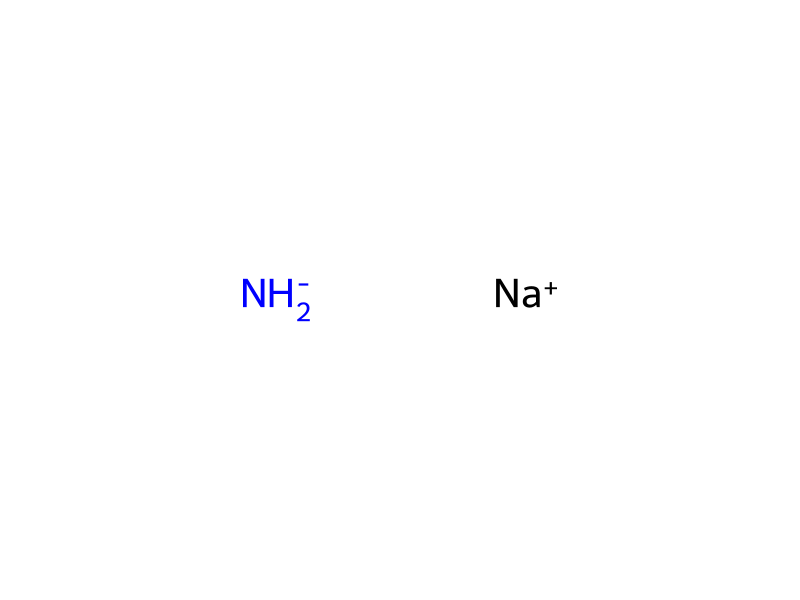
[NH:1]1[CH:5]=[CH:4][N:3]=[CH:2]1.[NH2-].[Na+].N.Cl[C:10]1[C:19]2[C:14](=[CH:15][CH:16]=[CH:17][CH:18]=2)[C:13]([CH:20]2[CH2:25][CH2:24][CH2:23][CH2:22][CH2:21]2)=[CH:12][N:11]=1>O1CCOCC1>[N:1]1([C:10]2[C:19]3[C:14](=[CH:15][CH:16]=[CH:17][CH:18]=3)[C:13]([CH:20]3[CH2:25][CH2:24][CH2:23][CH2:22][CH2:21]3)=[CH:12][N:11]=2)[CH:5]=[CH:4][N:3]=[CH:2]1Participants
6
Reactant 4



Product 1

Reagents, catalysts & solvents 1

Procedure
3.4 g (50 mmoles) of imidazole were allowed to react with 1.9 g (49 mmoles) of sodium amide in 50 ml of absolute dioxane until the evolution of ammonia was finished. Then 9 g (37 mmoles) of 1-chloro-4-cyclohexyl-isoquinoline were added and the solvent was evaporated. The reaction mixture was heated for 3 hours to 140° C, distributed between methylene chloride and water and the organic phase was evaporated after having been dried over magnesium sulfate. The oily crude product was taken up in 30 ml of ether and crystallized upon trituration. M.p. 92° to 93° C, hydrochloride M.p. 228° to 229° C.
Workup
- customthe solvent was evaporated
- temperatureThe reaction mixture was heated for 3 hours to 140° C
- customthe organic phase was evaporated
- dry with materialafter having been dried over magnesium sulfate
- customcrystallized upon trituration
Sources & evidence
- ORD record
- ord-ce4a84a585cd44da96842d995632aada
- Source dataset
- uspto-grants-1976_06
- Patent number
- US03961062
Reaction notes
Loading…