Ethylene Oxide → N-(2-Hydroxyethyl)phthalimide
Reaction equation

[C:1]1(=[O:11])[NH:5][C:4](=[O:6])[C:3]2=[CH:7][CH:8]=[CH:9][CH:10]=[C:2]12.[CH2:12]1[O:14][CH2:13]1>[Cr].CC(CC(C)C)=O>[OH:14][CH2:13][CH2:12][N:5]1[C:1](=[O:11])[C:2]2=[CH:10][CH:9]=[CH:8][CH:7]=[C:3]2[C:4]1=[O:6]Participants
5
Reactant 2
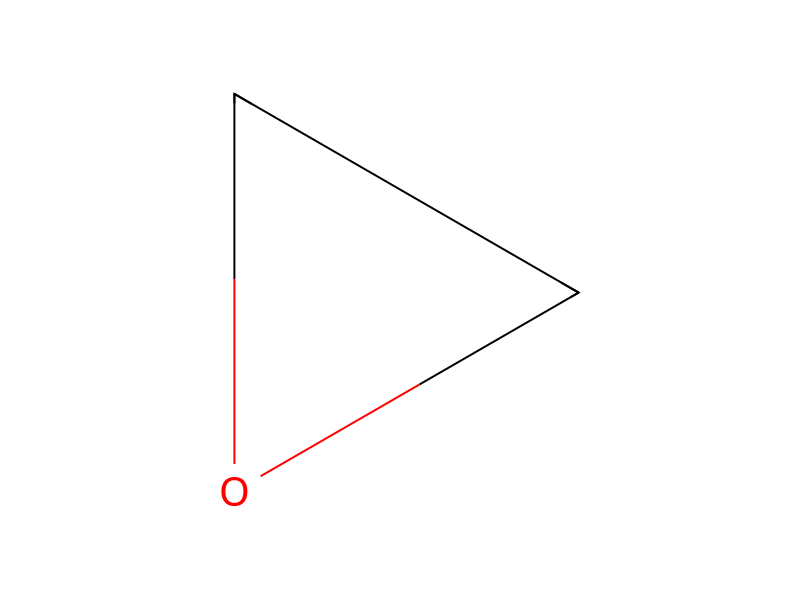

Product 1

Reagents, catalysts & solvents 2


Procedure
N-2-Hydroxyethyl phthalimide was prepared by allowing 147.2g (1.0 mole) of phthalimide to react in an autoclave with 53.0g (1.20 moles) of ethylene oxide in the presence of 1.47g (1%) of active chromium III tri-2-ethylhexanoate (COT) and 400 ml of methylisobutyl ketone (MiBK) at 160° to 165°C for two hours. On cooling, the N-2-hydroxyethyl phthalimide crystallized and was collected by filtration. A 94.7% yield of the hydroxyethyl imide was obtained. Under identical experimental conditions but in the absence of COT, the starting material was recovered unchanged.
Workup
- temperatureOn cooling
- customthe N-2-hydroxyethyl phthalimide crystallized
- filtrationwas collected by filtration
Sources & evidence
- ORD record
- ord-b26bf26a63814a5d9ac1feeef127c9d3
- Source dataset
- uspto-grants-1976_06
- Patent number
- US03962182
Reaction notes
Loading…