N-ethyl carbazole → 3,6-Bis(4-chlorobutyryl)-N-ethylcarbazole
Reaction equation

[CH2:1]([N:3]1[C:15]2[CH:14]=[CH:13][CH:12]=[CH:11][C:10]=2[C:9]2[C:4]1=[CH:5][CH:6]=[CH:7][CH:8]=2)[CH3:2].[Cl:16][CH2:17][CH2:18][CH2:19][C:20](Cl)=[O:21].[Cl-:23].[Al+3].[Cl-].[Cl-]>C(Cl)Cl>[Cl:16][CH2:17][CH2:18][CH2:19][C:20]([C:7]1[CH:6]=[CH:5][C:4]2[N:3]([CH2:1][CH3:2])[C:15]3[C:10]([C:9]=2[CH:8]=1)=[CH:11][C:12]([C:20](=[O:21])[CH2:19][CH2:18][CH2:17][Cl:23])=[CH:13][CH:14]=3)=[O:21]Participants
5
Reactant 3

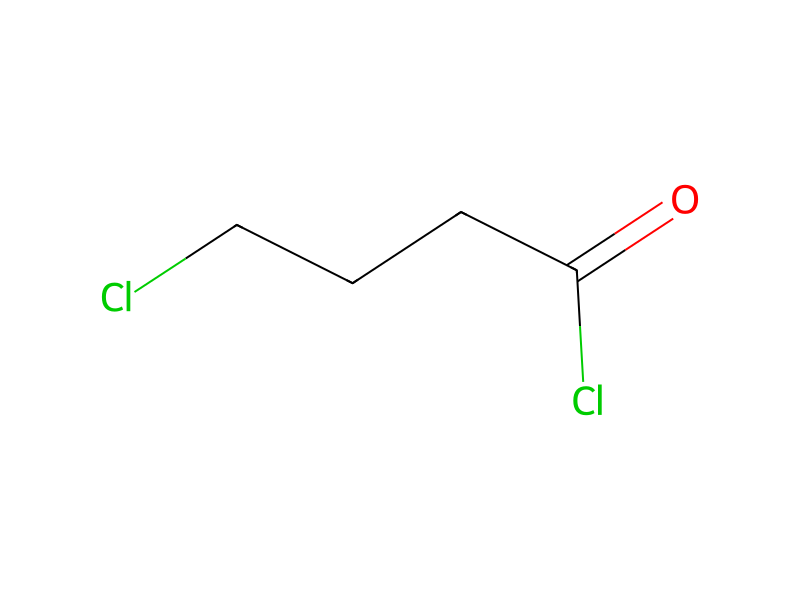

Product 1

Reagents, catalysts & solvents 1

Procedure
To a solution of 78.0 g (0.4 mole) of 9-ethylcarbazole and 141 g (1.0 mole) of 4-chlorobutyryl chloride in 1 liter of methylene chloride, which has been previously chilled to 0°C, is added portionwise 127.0 g (0.95 mole) of aluminum chloride. The mixture is stirred at room temperature for 16 hours, and the resulting complex is decomposed with a concentrated hydrochloric acid-ice mixture. The organic layer is separated, washed with water, dried over magnesium sulfate and pentane added to precipitate the desired product. Recrystallization from acetone followed by a recrystallization from an acetone methanol solution results in the formation of 3,6-bis (4-chlorobutyryl)-9-ethylcarbazole, m.p. 106°-8°C; λmaxEtOH 259; and E1cm1% 1030.
Workup
- customThe organic layer is separated
- washwashed with water
- dry with materialdried over magnesium sulfate and pentane
- additionadded
- customto precipitate the desired product
- customRecrystallization from acetone
- customfollowed by a recrystallization from an acetone methanol solution
Sources & evidence
- ORD record
- ord-63043210efe843f18eef2032be8f290b
- Source dataset
- uspto-grants-1976_06
- Patent number
- US03962451
Reaction notes
Loading…