Sodium cyanoborohydride → HCID 21525649, compound
Reaction equation

[C:1]1([CH2:7][C:8](=O)[CH2:9][CH2:10][C:11]([OH:13])=[O:12])[CH:6]=[CH:5][CH:4]=[CH:3][CH:2]=1.[ClH:15].[CH3:16]N.[C:18]([BH3-])#[N:19].[Na+]>CO>[ClH:15].[CH3:18][NH:19][CH:8]([CH2:7][C:1]1[CH:6]=[CH:5][CH:4]=[CH:3][CH:2]=1)[CH2:9][CH2:10][C:11]([O:13][CH3:16])=[O:12]Participants
5
Reactant 3

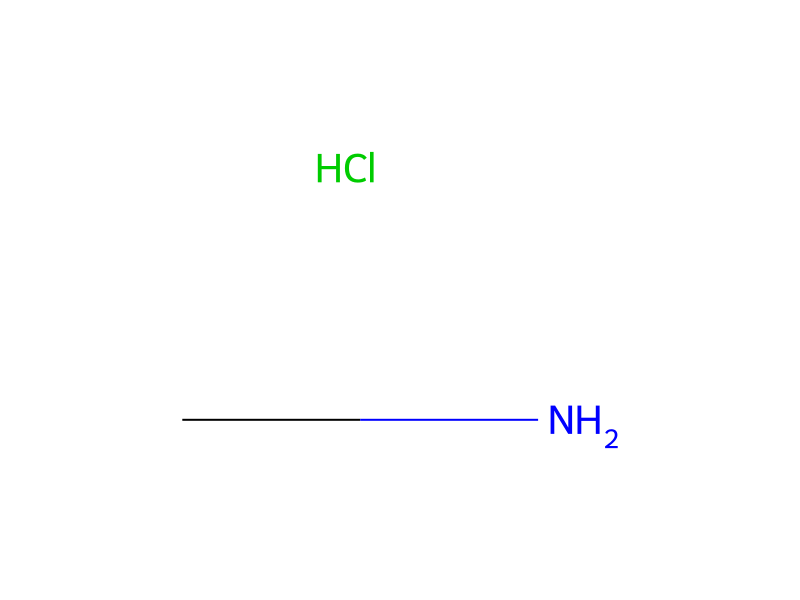

Product 1

Reagents, catalysts & solvents 1

Procedure
A mixture of 5 -phenyllevulinic acid (4.0 g, 206 mmoles), methylamine hydrochloride (6.75 g), sodium cyanoborohydride (1.0 g) and methanol (100 ml) was stirred at room temperature for 4 days, then acidified to pH 1.0 and evaporated to dryness. The residue was partitioned between water and ether, and the water phase was evaporated to dryness. The residue was extracted with dichloromethane (2 × 250 ml) which was then dried and evaporated. The residue was re-dissolved in dichloromethane, the solution filtered from some insolubles and evaporated. The residue was crystallized by a slow addition of ether to its solution in ethanol to give methyl 4-methylamino-5-phenylpentanoate hydrochloride. m.p. 117°-20°.
Workup
- customevaporated to dryness
- customThe residue was partitioned between water and ether
- customthe water phase was evaporated to dryness
- extractionThe residue was extracted with dichloromethane (2 × 250 ml) which
- customwas then dried
- customevaporated
- dissolutionThe residue was re-dissolved in dichloromethane
- filtrationthe solution filtered from some insolubles
- customevaporated
- customThe residue was crystallized by a slow addition of ether to its solution in ethanol
Sources & evidence
- ORD record
- ord-7235761ba54a461db352d2d6551e2465
- Source dataset
- uspto-grants-1976_06
- Patent number
- US03966764
Reaction notes
Loading…