Phosphorus trichloride → HCID 12898855, compound
Reaction equation

[NH2:1][CH:2]1[CH2:6][CH2:5][N:4]([CH:7]2[CH2:12][CH2:11][CH2:10][CH2:9][CH2:8]2)[CH2:3]1.P(Cl)(Cl)Cl.[CH3:17][O:18][C:19]1[CH:27]=[CH:26][C:25]([S:28](=[O:31])(=[O:30])[NH2:29])=[CH:24][C:20]=1[C:21](O)=[O:22]>N1C=CC=CC=1>[CH:7]1([N:4]2[CH2:5][CH2:6][CH:2]([NH:1][C:21](=[O:22])[C:20]3[CH:24]=[C:25]([S:28](=[O:30])(=[O:31])[NH2:29])[CH:26]=[CH:27][C:19]=3[O:18][CH3:17])[CH2:3]2)[CH2:12][CH2:11][CH2:10][CH2:9][CH2:8]1Participants
5
Reactant 3
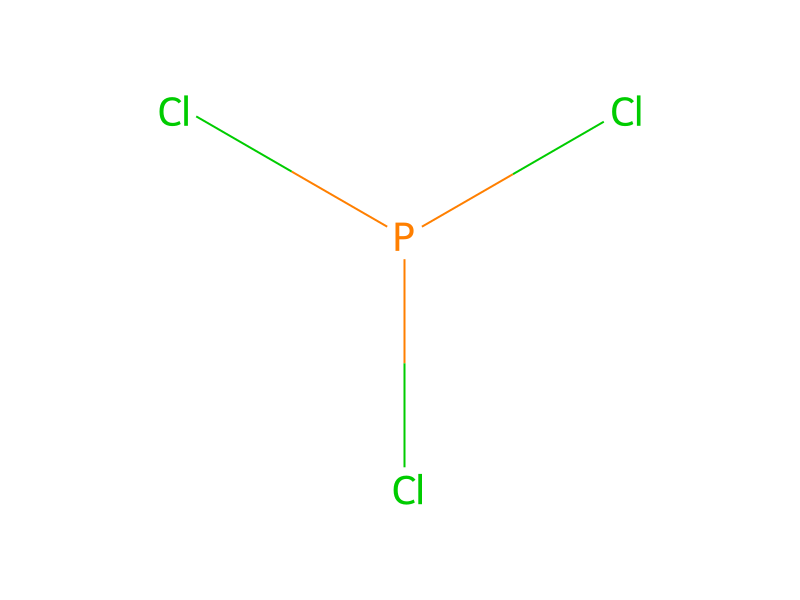


Product 1

Reagents, catalysts & solvents 1

Procedure
To 3.7 g. (0.022 mole) of 3-amino-1-cyclohexylpyrrolidine in 100 ml. of pyridine was added dropwise with cooling 1.1 g. (0.008 mole) of phosphorous trichloride at 20°C. After stirring one hour, 3 g. (0.013 mole) of 2-methoxy-5-sulfamoylbenzoic acid was added and refluxed 6 hrs. The solution was concentrated and the residue partitioned between dilute hydrochloride acid and isopropyl ether. The acid was made basic with ammonium hydroxide and extracted with chloroform which was dried (sodium sulfate) and concentrated. The residue was crystallized from ethyl acetate and recrystallized from isopropyl alcohol. Yield 1 g. (33%); m.p. 184°-187°C.
Workup
- temperaturewith cooling 1.1 g
- customat 20°C
- temperaturerefluxed 6 hrs
- concentrationThe solution was concentrated
- customthe residue partitioned between dilute hydrochloride acid and isopropyl ether
- extractionextracted with chloroform which
- dry with materialwas dried (sodium sulfate)
- concentrationconcentrated
- customThe residue was crystallized from ethyl acetate
- customrecrystallized from isopropyl alcohol
Sources & evidence
- ORD record
- ord-1a27a56fd18e4f9ca919faf608818a34
- Source dataset
- uspto-grants-1976_06
- Patent number
- US03966957
Reaction notes
Loading…