Carbon Dioxide → [1-(p-Chlorobenzoyl)-5-methoxy-2-methyl-3-indoleacetoxy]-benzyl acetate
Reaction equation

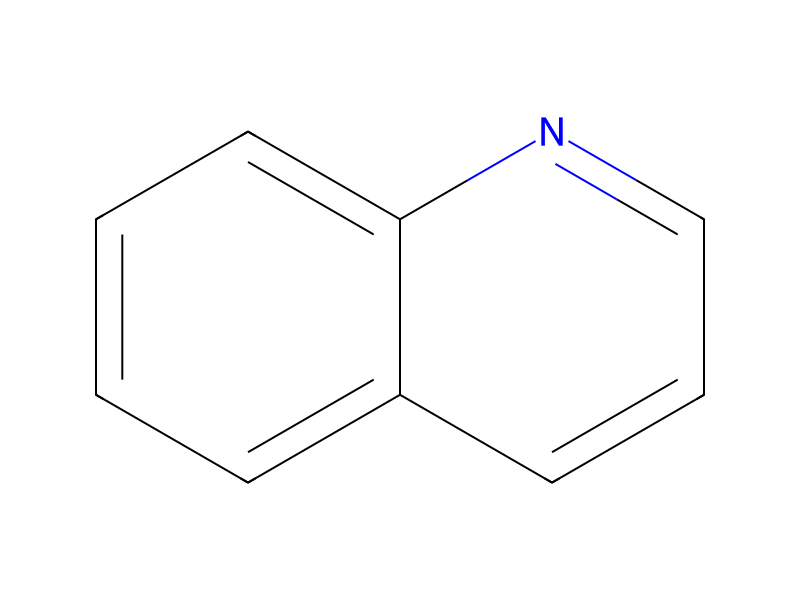
[C:1]([O:4][CH:5]([O:12][C:13](=[O:27])[CH2:14][C:15]1[C:23]2[C:18](=[CH:19][CH:20]=[C:21]([O:24][CH3:25])[CH:22]=2)[NH:17][C:16]=1[CH3:26])[C:6]1[CH:11]=[CH:10][CH:9]=[CH:8][CH:7]=1)(=[O:3])[CH3:2].[Cl:28][C:29]1[CH:37]=[CH:36][C:32]([C:33](O)=[O:34])=[CH:31][CH:30]=1.C(=O)=O.N1C2C(=CC=CC=2)C=CC=1>C(N(CC)CC)C.N1C=CC=CC=1>[C:1]([O:4][CH:5]([O:12][C:13](=[O:27])[CH2:14][C:15]1[C:23]2[C:18](=[CH:19][CH:20]=[C:21]([O:24][CH3:25])[CH:22]=2)[N:17]([C:33](=[O:34])[C:32]2[CH:36]=[CH:37][C:29]([Cl:28])=[CH:30][CH:31]=2)[C:16]=1[CH3:26])[C:6]1[CH:11]=[CH:10][CH:9]=[CH:8][CH:7]=1)(=[O:3])[CH3:2]Participants
Reactant 4



Product 1

Reagents, catalysts & solvents 2


Procedure
Another method of preparing the compound I according to the invention is the acylation of (5-methoxy-2-methyl-3-indoleacetoxy)-benzyl acetate and subsequently splitting off the benzyl group. The mixed anhydride of p-chlorobenzoic acid with a monoalkyl ester of carbon dioxide is preferably used as acylation agent for this purpose. The reaction takes place by simply mixing the reactants and slowly heating them to 200°C until the evolution of carbon dioxide, starting at about 80°C, has ended. It is advantageous to use an excess of anhydride, preferably in the ratio of 1:2 to 1:3. The reaction takes place in the presence of a catalytic quantity of an organic base. As the organic base it is possible, inter alia, to use quinoline and pyridine and, more particularly triethylamine. The subsequent hydrogenation of the [1-(p-chlorobenzoyl)-5-methoxy-2-methyl-3-indoleacetoxy]-benzyl acetate which is formed takes place as described under A.
Workup
- additionby simply mixing the reactants
- customstarting at about 80°C
Sources & evidence
- ORD record
- ord-eaf66601469c45e1aa15b82476b6bc59
- Source dataset
- uspto-grants-1976_06
- Patent number
- US03966956
Reaction notes
Loading…