Chloroacetamide → N~2~-(2-Methoxy-5-nitrophenyl)glycinamide
Reaction equation

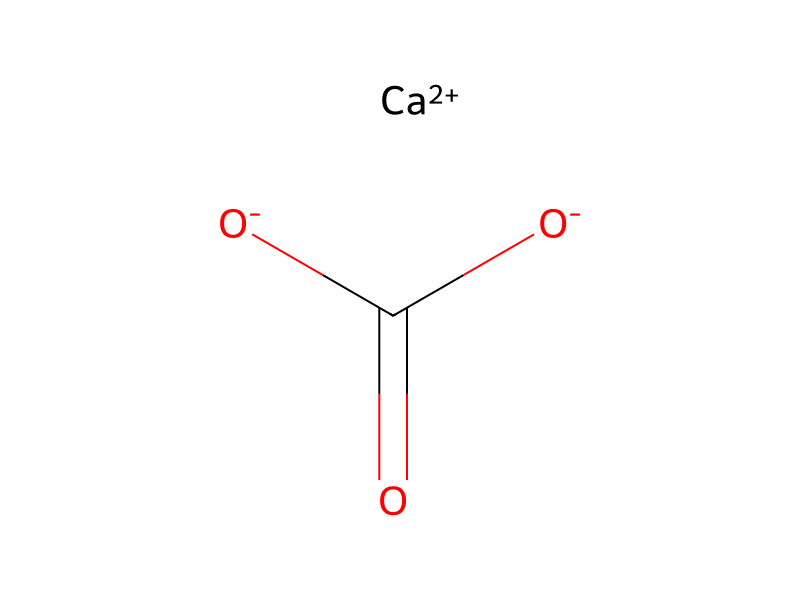
[NH2:1][C:2]1[CH:7]=[C:6]([N+:8]([O-:10])=[O:9])[CH:5]=[CH:4][C:3]=1[O:11][CH3:12].C(=O)([O-])[O-].[Ca+2].Cl[CH2:19][C:20]([NH2:22])=[O:21]>>[C:20]([CH2:19][NH:1][C:2]1[CH:7]=[C:6]([N+:8]([O-:10])=[O:9])[CH:5]=[CH:4][C:3]=1[O:11][CH3:12])(=[O:21])[NH2:22]Participants
4



Procedure
In 2.7 liters of hydroalcoholic solution (2/3 alcohol, 1/3 water), one adds 2.1 mols (353 g) of 2-amino-4-nitro anisole, 2.1 mols (210 g) of calcium carbonate and 4.2 mols (393 g) of chloroacetamide. The mixture is brought to reflux for 64 hours and then drained while boiling. The precipitate which contains the expected product mixed with mineral salts is agitated in 1 liter of water at a temperature of 80° C. Hydrochloric acid is added in a quantity sufficient to destroy calcium carbonate. The expected product is drained, washed two times in boiling water, and recrystallized in acetic acid. After vacuum drying the product melts at 224° C.
Workup
- temperatureto reflux for 64 hours
Sources & evidence
- ORD record
- ord-2fe7379ce74c4b06be22f8fc3b4d22df
- Source dataset
- uspto-grants-1981_12
- Patent number
- US04305717
Reaction notes
Loading…