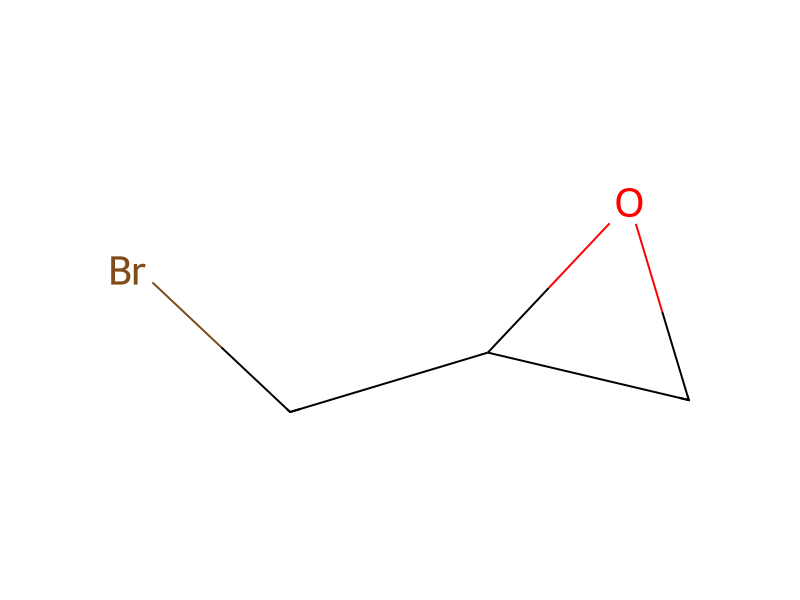
Epibromohydrin → 3-Isopropyl-5-[2-(2,3-epoxypropoxy)-styryl]-isoxazole
Reaction equation

[H-].[Na+].[CH:3]([C:6]1[CH:10]=[C:9]([CH:11]=[CH:12][C:13]2[CH:18]=[CH:17][CH:16]=[CH:15][C:14]=2[OH:19])[O:8][N:7]=1)([CH3:5])[CH3:4].[CH2:20]([CH:22]1[O:24][CH2:23]1)Br>>[CH:3]([C:6]1[CH:10]=[C:9]([CH:11]=[CH:12][C:13]2[CH:18]=[CH:17][CH:16]=[CH:15][C:14]=2[O:19][CH2:20][CH:22]2[O:24][CH2:23]2)[O:8][N:7]=1)([CH3:5])[CH3:4]Participants
4



Procedure
This is prepared, using the method described in Example VI, from 3.4 g of 55% strength sodium hydride (0.078 mole), 18 g (0.078 mole) of 3-isopropyl-5-(2-hydroxystyryl)-isoxazole and 10.8 g (0.078 mole) of epibromohydrin. 21.5 g (97% of theory) of a colorless oil are obtained.
Workup
- customThis is prepared
- custom21.5 g (97% of theory) of a colorless oil are obtained
Sources & evidence
- ORD record
- ord-beada3a2000943d893332687dbbc29c0
- Source dataset
- uspto-grants-1981_12
- Patent number
- US04305951
Reaction notes
Loading…