Triphenylphosphine → HCID 21096916, compound
Reaction equation

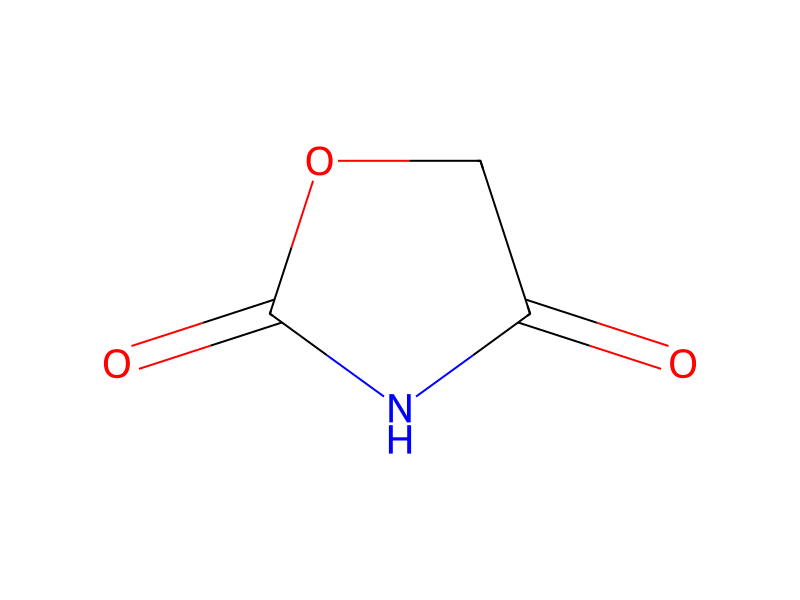
[N:1]1[C:10]2[C:5](=[CH:6][CH:7]=[CH:8][CH:9]=2)[CH:4]=[CH:3][C:2]=1[N:11]1[CH2:16][CH2:15][CH:14]([CH2:17][CH2:18]O)[CH2:13][CH2:12]1.C1(P(C2C=CC=CC=2)C2C=CC=CC=2)C=CC=CC=1.[O:39]1[CH2:43][C:42](=[O:44])[NH:41][C:40]1=[O:45].N(C(OC(C)C)=O)=NC(OC(C)C)=O>>[N:1]1[C:10]2[C:5](=[CH:6][CH:7]=[CH:8][CH:9]=2)[CH:4]=[CH:3][C:2]=1[N:11]1[CH2:12][CH2:13][CH:14]([CH2:17][CH2:18][N:41]2[C:42](=[O:44])[CH2:43][O:39][C:40]2=[O:45])[CH2:15][CH2:16]1Participants
5




Procedure
The process is performed according to the procedure described in Example 5 (step 5.2). Starting with 2.22 g (8.65 mmol) of 2-[1-(2-quinolyl)-4-piperidyl]-ethanol, prepared in step 8.1, 2.50 g (9.52 mmol) of triphenylphosphine, 1.05 g (10.38 mmol) of 1,3-oxazolidine-2,4-dione and 1.75 g (8.65 mmol) of diisopropyl azodicarboxylate (DIAD), and after chromatography on silica gel, eluting with a 30/70 and then 40/60 mixture of ethyl acetate and cyclohexane, 2.63 g of product are obtained in the form of an amorphous white solid.
Workup
- washafter chromatography on silica gel, eluting with a 30/70
- addition40/60 mixture of ethyl acetate and cyclohexane, 2.63 g of product
- customare obtained in the form of an amorphous white solid
Sources & evidence
- ORD record
- ord-bc338d48a2b04d7392de0442d5683f64
- Source dataset
- uspto-grants-2011_10
- Patent number
- US08034818B2
Reaction notes
Loading…