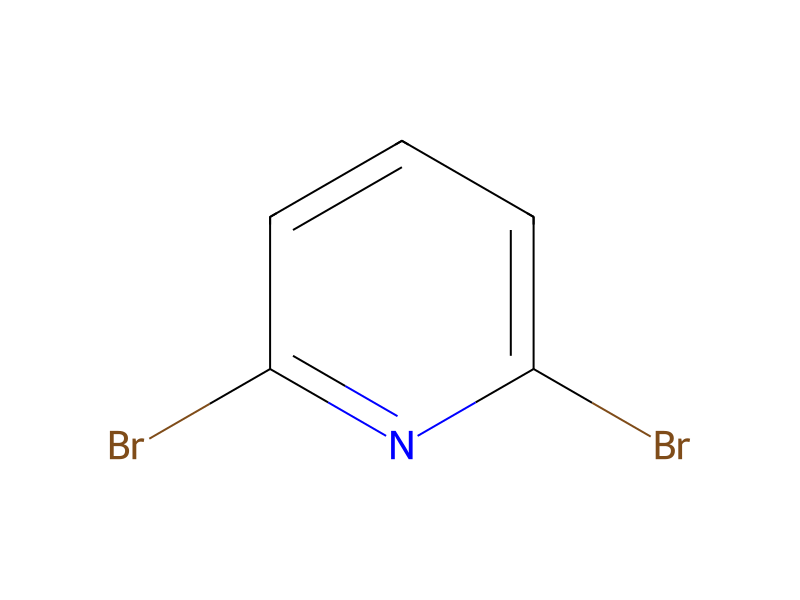
2,6-Dibromopyridine → HCID 21096924, compound
Reaction equation

Br[C:2]1[CH:7]=[CH:6][CH:5]=[C:4]([Br:8])[N:3]=1.[NH:9]1[CH2:14][CH2:13][CH:12]([CH2:15][CH2:16][OH:17])[CH2:11][CH2:10]1>>[Br:8][C:4]1[N:3]=[C:2]([N:9]2[CH2:14][CH2:13][CH:12]([CH2:15][CH2:16][OH:17])[CH2:11][CH2:10]2)[CH:7]=[CH:6][CH:5]=1Participants
3

Procedure
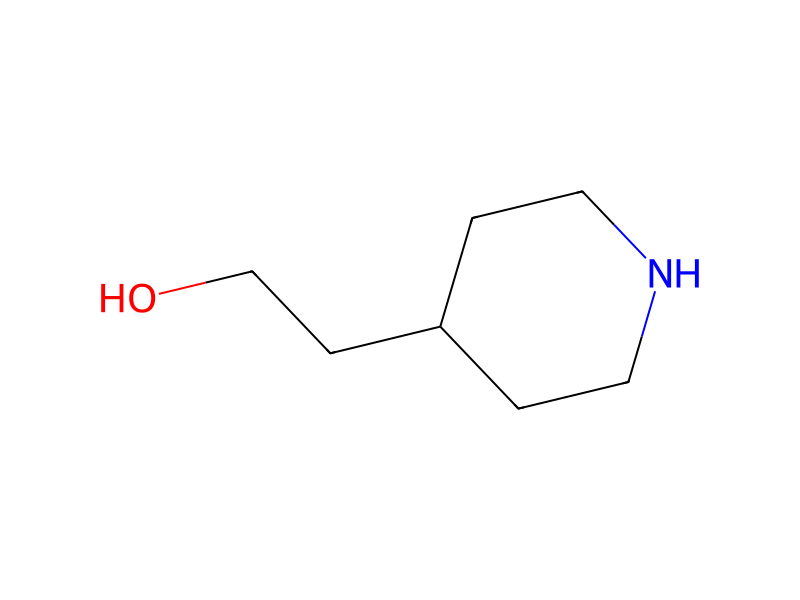
The process is performed as described in Example 4 (step 4.1). Starting with 30.20 g (127 mmol) of 2,6-dibromopyridine and 16.45 g (127 mmol) of 2-(4-piperidyl)ethanol, and after chromatography on silica gel, eluting with a 30/70 mixture of ethyl acetate and cyclohexane, 7 g of pure product are obtained in the form of an oil.
Workup
- washafter chromatography on silica gel, eluting with a 30/70 mixture of ethyl acetate and cyclohexane, 7 g of pure product
- customare obtained in the form of an oil
Sources & evidence
- ORD record
- ord-002b61edcc064b00a0989c7075b7ae2a
- Source dataset
- uspto-grants-2011_10
- Patent number
- US08034818B2
Reaction notes
Loading…