Calcium Carbonate → 2-Nitrophenethylamine
Reaction equation

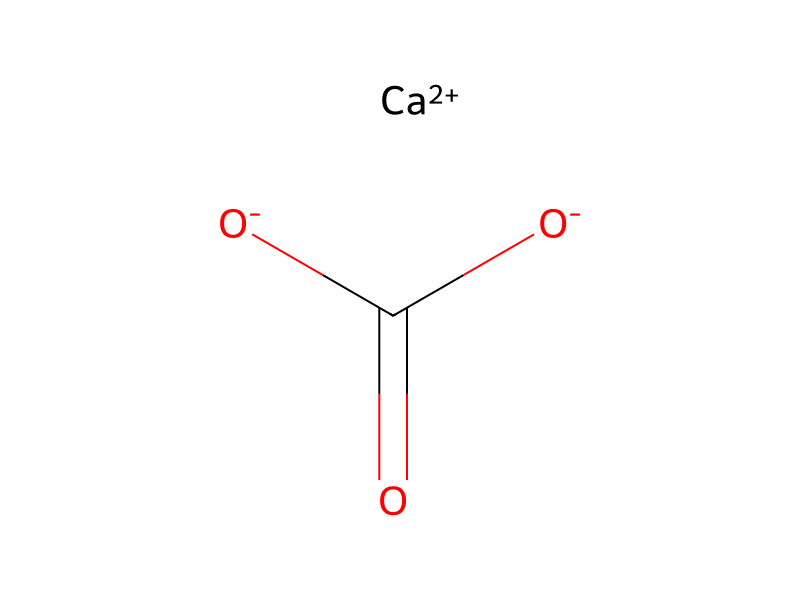
C1(P(C2C=CC=CC=2)C2C=CC=CC=2)C=CC=CC=1.C(=O)([O-])[O-].[Ca+2].[N:25]([CH2:28][CH2:29][C:30]1[CH:35]=[CH:34][CH:33]=[CH:32][C:31]=1[N+:36]([O-:38])=[O:37])=[N+]=[N-]>C1C=CC=CC=1>[NH2:25][CH2:28][CH2:29][C:30]1[CH:35]=[CH:34][CH:33]=[CH:32][C:31]=1[N+:36]([O-:38])=[O:37]Participants
Reactant 3


Product 1

Reagents, catalysts & solvents 1

Procedure
Triphenylphosphine (31.1 g, 0.118 mol) and calcium carbonate (50 mg, 0.5 mmol) were added to a solution of 2-(2-azidoethyl)nitrobenzene (22.8 g, 0.118 mol) in benzene (500 mL). The reaction was stirred at room temperature until complete. The solvent was removed in vacuo, and the residue treated with acetic acid (100 mL) and 48% hydrogen bromide (100 mL) at 100° C. for 1 h. The reaction was cooled and concentrated. Water was added and the solution extracted with methylene chloride. The aqueous layer was made basic by the addition of 5% aqueous sodium hydroxide solution, then extracted with ethyl acetate. The organic phase was washed with saturated brine and dried over sodium sulfate. The title compound was obtained as an oil (8.0 g). MS 167 (M+1).
Workup
- customThe solvent was removed in vacuo
- additionthe residue treated with acetic acid (100 mL) and 48% hydrogen bromide (100 mL) at 100° C. for 1 h
- temperatureThe reaction was cooled
- concentrationconcentrated
- additionWater was added
- extractionthe solution extracted with methylene chloride
- additionThe aqueous layer was made basic by the addition of 5% aqueous sodium hydroxide solution
- extractionextracted with ethyl acetate
- washThe organic phase was washed with saturated brine
- dry with materialdried over sodium sulfate
Sources & evidence
- ORD record
- ord-4e4ac2a384434045b5f6576b515ae09b
- Source dataset
- uspto-grants-2011_10
- Patent number
- US08039460B2
Reaction notes
Loading…