Acetic Acid → 3,9-Diazaspiro[5.5]undecane-2,4-dione
Reaction equation

C(O)(=O)C.C([N:12]1[CH2:24][CH2:23][C:15]2([CH2:20][C:19](=[O:21])[NH:18][C:17](=[O:22])[CH2:16]2)[CH2:14][CH2:13]1)C1C=CC=CC=1>C(O)C.[OH-].[Pd+2].[OH-]>[CH2:20]1[C:15]2([CH2:14][CH2:13][NH:12][CH2:24][CH2:23]2)[CH2:16][C:17](=[O:22])[NH:18][C:19]1=[O:21]Participants
5
Reactant 2


Product 1

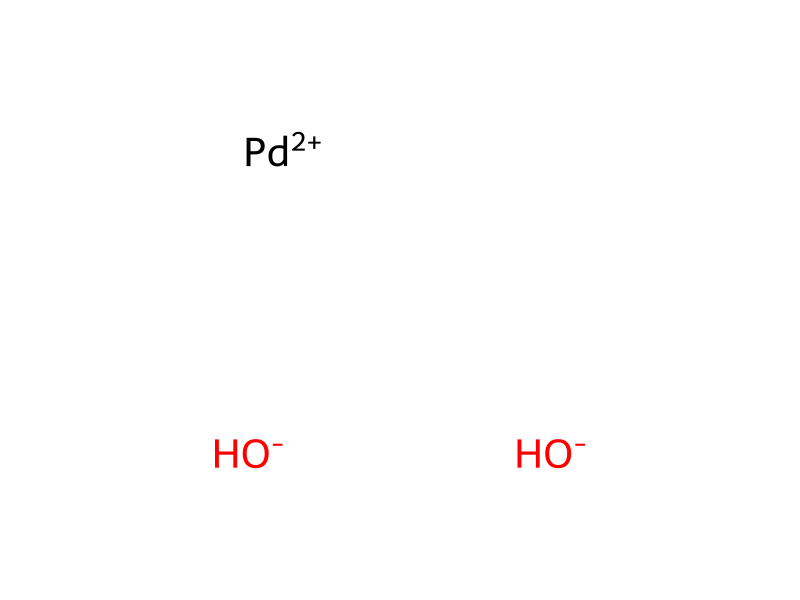
Reagents, catalysts & solvents 2

Procedure
Palladium hydroxide (20% on carbon; 100 mg) and acetic acid (250 μL) were added to a solution of 9-benzyl-3,9-diazaspiro[5.5]undecane-2,4-dione (0.38 g, 1.40 mmol) in ethanol (5 mL). The reaction vessel was evacuated and back-filled with nitrogen (3×), then back-filled with hydrogen (1 atm). After 18 h, the mixture was filtered and concentrated to give the acetate salt of the title compound (220 mg). MS 183.1 (M+1).
Workup
- customThe reaction vessel was evacuated
- additionback-filled with nitrogen (3×)
- additionback-filled with hydrogen (1 atm)
- filtrationthe mixture was filtered
- concentrationconcentrated
Sources & evidence
- ORD record
- ord-642e6ad76e7748c5acd187dbeff6bb9b
- Source dataset
- uspto-grants-2011_10
- Patent number
- US08039460B2
Reaction notes
Loading…