Cesium carbonate → N-(3-bromo-benzyl)-2-chloro-N-isobutyl-benzenesulfonamide
Reaction equation

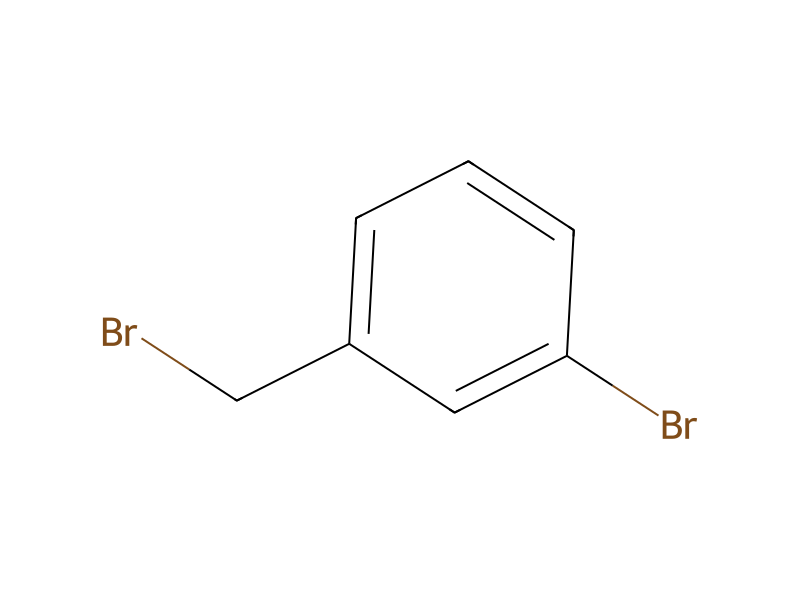
[Cl:1][C:2]1[CH:7]=[CH:6][CH:5]=[CH:4][C:3]=1[S:8]([NH:11][CH2:12][CH:13]([CH3:15])[CH3:14])(=[O:10])=[O:9].[Br:16][C:17]1[CH:18]=[C:19]([CH:22]=[CH:23][CH:24]=1)[CH2:20]Br.C(=O)([O-])[O-].[Cs+].[Cs+]>[I-].C([N+](CCCC)(CCCC)CCCC)CCC.CN(C)C(=O)C>[Br:16][C:17]1[CH:18]=[C:19]([CH:22]=[CH:23][CH:24]=1)[CH2:20][N:11]([CH2:12][CH:13]([CH3:15])[CH3:14])[S:8]([C:3]1[CH:4]=[CH:5][CH:6]=[CH:7][C:2]=1[Cl:1])(=[O:9])=[O:10]Participants
6
Reactant 3


Product 1

Reagents, catalysts & solvents 2


Procedure
In analogy to example 10, step 3, 2-chloro-N-isobutyl-benzenesulfonamide (example 42, step 1) was reacted with 3-bromobenzylbromide, cesium carbonate and 10 mol-% tetrabutylammonium iodide as a catalyst in N,N-dimethylacetamide to give N-(3-bromobenzyl)-2-chloro-N-isobutyl-benzenesulfonamide as a colorless oil. MS: 416.2 ([M+H]+)
Sources & evidence
- ORD record
- ord-623dcee4544f4b5ea2ba0f847520fe56
- Source dataset
- uspto-grants-2011_10
- Patent number
- US08039493B2
Reaction notes
Loading…