Ammonia → 6-Bromo-2,3-dihydro-1,2-benzothiazole-1,1,3-trione
Reaction equation

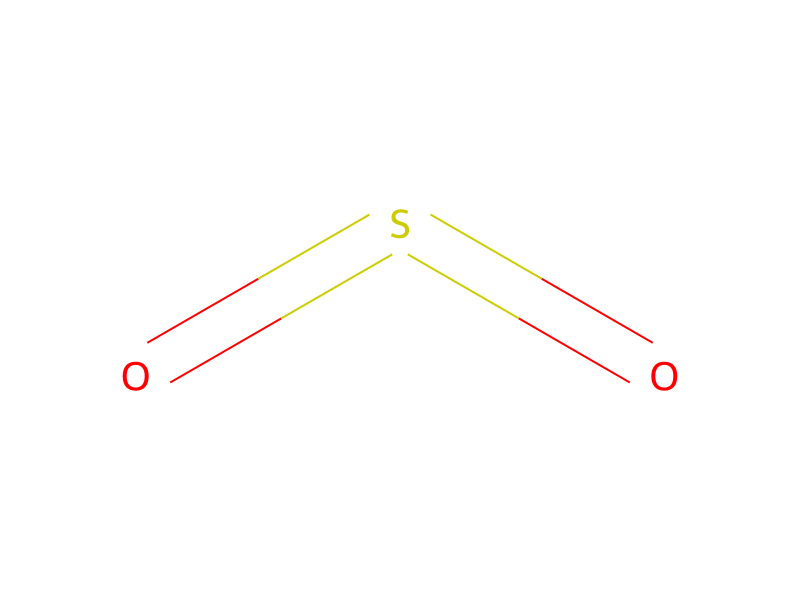
NC1C=C[C:9]([Br:12])=[CH:8][C:3]=1C(OC)=O.N([O-])=O.[Na+].[S:17](=[O:19])=[O:18].[NH3:20].[CH2:21]1[CH2:25][O:24][CH2:23][CH2:22]1>Cl.O.CO.[Cu]Cl>[Br:12][C:9]1[CH:23]=[CH:22][C:21]2[C:25](=[O:24])[NH:20][S:17](=[O:19])(=[O:18])[C:3]=2[CH:8]=1Participants
Reactant 5




Product 1

Reagents, catalysts & solvents 4




Conditions
- Temperature
- 0 °C
Procedure
A solution of the methyl 2-amino-5-bromobenzoate (20.0 g, 86.9 mol) in 20% hydrochloric acid (60 mL) was warmed until all solids were dissolved. The solution was cooled to 0° C. with stirring to precipitate the hydrochloride salt. To this suspension was added a solution of sodium nitrite (6.10 g, 8.84 mol) in water (20 mL) dropwise at such a rate that the internal reaction temperature did not exceed 5° C. The mixture was stirred at 0° C. for 45 minutes to afford a clear solution. Sulfur dioxide was bubbled into a mixture of acetic acid (100 mL) and water (10 mL) at 0° C. Copper (I) chloride (8.6 g, 0.088 mol) was then added to the sulfur dioxide solution. The mixture was then cooled to 0° C. To this mixture was added the diazonium salt solution portion-wise with vigorous stirring over a period of 30 minutes. The reaction mixture was stirred at 0° C. for 1 h and then the mixture was allowed to warm to room temperature. The mixture was stirred at room temperature for 2 h before it was quenched with ice water (500 mL). The mixture was extracted with EtOAc (3×) and the extracts were washed with sat. NaHCO3 and dried over anhydrous Na2SO4. The solvent was removed in vacuo to afford an oily residue. The residue was dissolved in THF (60 mL) and the solution was cooled to 0° C. To this mixture was added a cold (0° C.) solution of sat. NH3 (50 mL) in MeOH portion-wise at such a rate that the internal reaction temperature was maintained below 10° C. After the addition was complete, the mixture was allowed to warm to room temperature and was stirred for 1 h. The solvent was removed in vacuo and the residue was dissolved in saturated aqueous sodium bicarbonate (60 mL) and washed with diethyl ether (80 mL). The aqueous layer was acidified with concentrated HCl to pH to 1. The resulting precipitate was collected by filtration and was dried in vacuo to afford 6-bromo-1,1-dioxo-1,2-dihydro-1λ6-benzo[d]isothiazol-3-one (2.1 g, 9% yield). 1H NMR (300 MHz, CDCl3) δ 8.18 (d, J=1.8, 1H), 8.03 (dd, J=8.1, 1.8, 1H), 7.79 (d, J=8.1, 1H).
Workup
- dissolutionwere dissolved
- customto precipitate the hydrochloride salt
- customdid not exceed 5° C
- stirringThe mixture was stirred at 0° C. for 45 minutes
- customto afford a clear solution
- customSulfur dioxide was bubbled into a mixture of acetic acid (100 mL) and water (10 mL) at 0° C
- temperatureThe mixture was then cooled to 0° C
- stirringwith vigorous stirring over a period of 30 minutes
- stirringThe reaction mixture was stirred at 0° C. for 1 h
- temperatureto warm to room temperature
- stirringThe mixture was stirred at room temperature for 2 h before it
- customwas quenched with ice water (500 mL)
- extractionThe mixture was extracted with EtOAc (3×)
- washthe extracts were washed with sat. NaHCO3
- dry with materialdried over anhydrous Na2SO4
- customThe solvent was removed in vacuo
- customto afford an oily residue
- temperaturethe solution was cooled to 0° C
- temperaturewas maintained below 10° C
- additionAfter the addition
- temperatureto warm to room temperature
- stirringwas stirred for 1 h
- customThe solvent was removed in vacuo
- dissolutionthe residue was dissolved in saturated aqueous sodium bicarbonate (60 mL)
- washwashed with diethyl ether (80 mL)
- filtrationThe resulting precipitate was collected by filtration
- customwas dried in vacuo
Sources & evidence
- ORD record
- ord-239d4379acaa41acafa8f7eb745f0b62
- Source dataset
- uspto-grants-2011_10
- Patent number
- US08039491B2
Reaction notes
Loading…