Water → HCID 86623919, compound
Reaction equation

Cl[CH2:2][C:3]1[CH:4]=[C:5]([CH:14]=[CH:15][CH:16]=1)[O:6][C:7]1[CH:12]=[C:11]([CH3:13])[CH:10]=[CH:9][N:8]=1.[CH2:17]([O:19][P:20]([O:24]CC)[O:21][CH2:22][CH3:23])[CH3:18].O>C(OCC)(=O)C>[CH2:17]([O:19][P:20]([CH2:2][C:3]1[CH:16]=[CH:15][CH:14]=[C:5]([O:6][C:7]2[CH:12]=[C:11]([CH3:13])[CH:10]=[CH:9][N:8]=2)[CH:4]=1)(=[O:24])[O:21][CH2:22][CH3:23])[CH3:18]Participants
5
Reactant 3

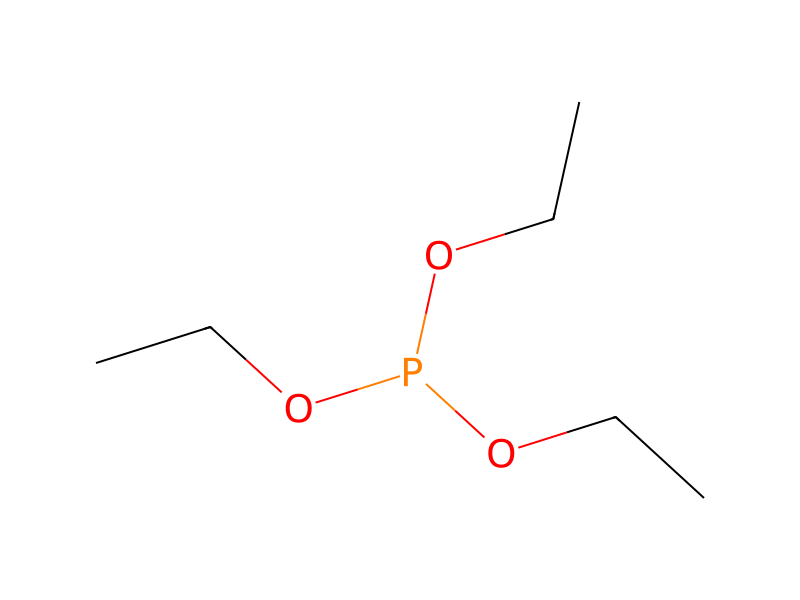

Product 1

Reagents, catalysts & solvents 1

Conditions
- Temperature
- 150 °C
Procedure
2-(3-Chloromethyl-phenoxy)-4-methyl-pyridine (5.16 g, 22 mmol) from Step 2 was treated neat with triethylphosphite (4.68 mL, 27.3 mmol) and heated to 150° C. After 16 h, the reaction mixture was cooled to room temperature and partioned between water and ethyl acetate. The organic layer was separated and the aqueous was extracted again with ethyl acetate. The combined organic layer was dried over sodium sulfate, filtered and concentrated to give a residue. The residue was purified by silica gel chromatography (30-60%, EtOAc:DCM) to afford the desired product (2.9 g, 40% yield) as a thick oil.
Workup
- temperaturethe reaction mixture was cooled to room temperature
- customThe organic layer was separated
- extractionthe aqueous was extracted again with ethyl acetate
- dry with materialThe combined organic layer was dried over sodium sulfate
- filtrationfiltered
- concentrationconcentrated
- customto give a residue
- customThe residue was purified by silica gel chromatography (30-60%, EtOAc:DCM)
Sources & evidence
- ORD record
- ord-3f8d30f7beb743faa7a709885bf24c41
- Source dataset
- uspto-grants-2011_10
- Patent number
- US08044052B2
Reaction notes
Loading…