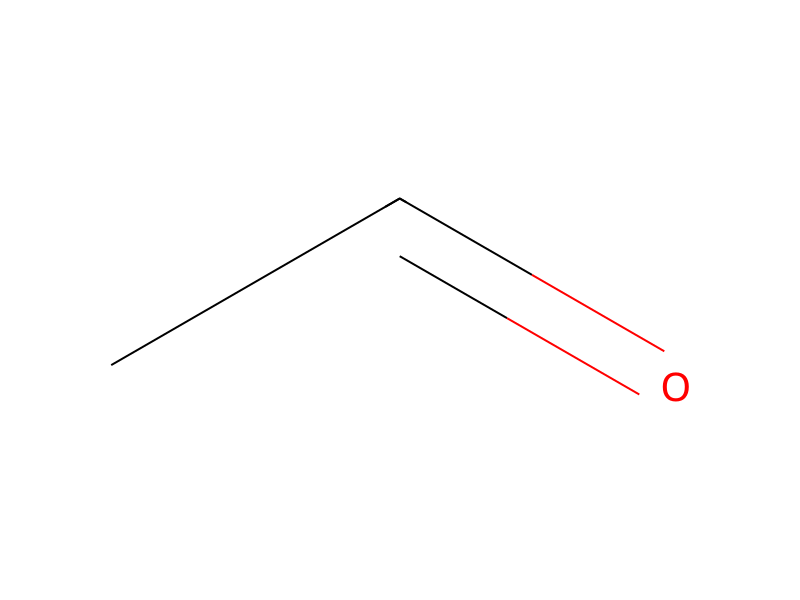
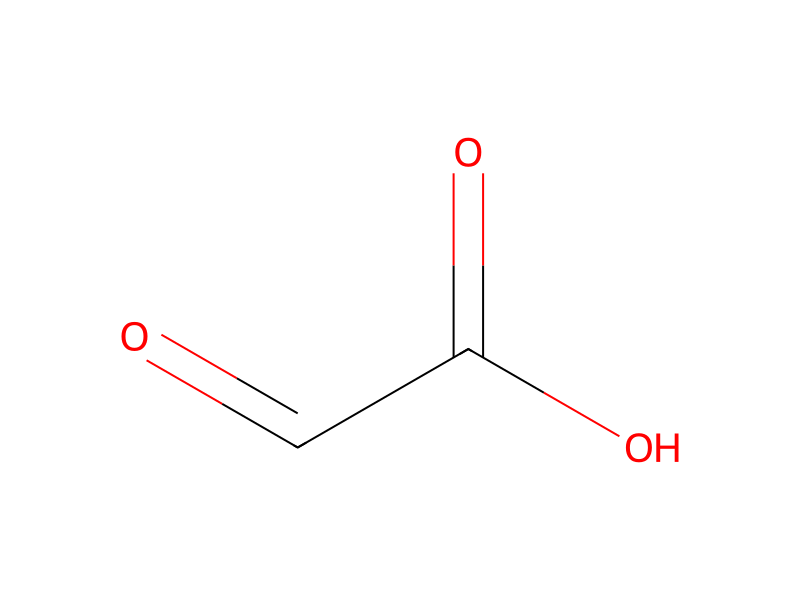
Acetaldehyde → Glyoxylic Acid
Reaction equation

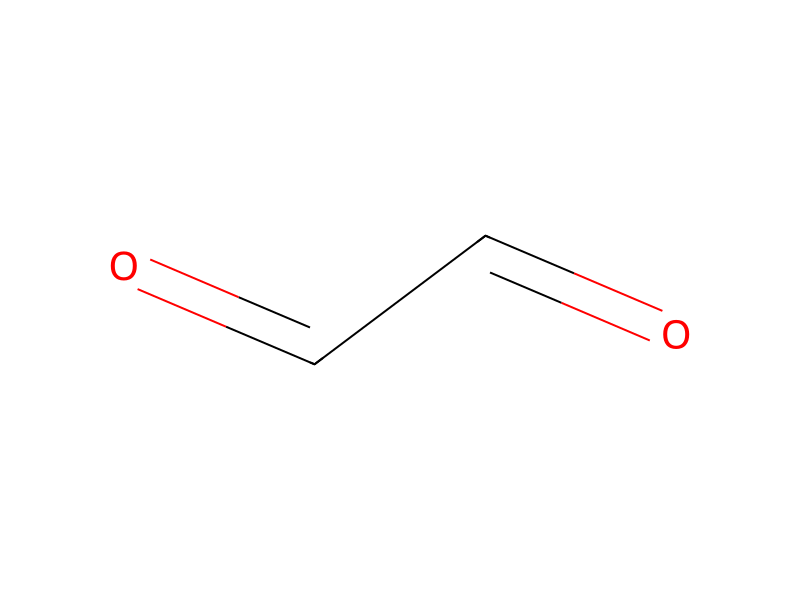
[CH:1](=[O:3])[CH3:2].N.[CH2:5]=[O:6].[C:7]([O:10]O)(=[O:9])[CH3:8].[N+]([O-])(O)=[O:13].[N:16]1C=[CH:20][CH:19]=[CH:18][CH:17]=1>>[CH2:19]([C:18]1[CH:7]=[CH:8][C:1]([CH3:2])=[N:16][CH:17]=1)[CH3:20].[CH:5]([CH:1]=[O:3])=[O:6].[C:7]([OH:10])(=[O:9])[CH:8]=[O:13]Participants






Procedure
A considerable proportion of acetaldehyde is used for the preparation of acetic esters. For example, ethyl acetate is prepared in a rearrangement reaction with aluminium alcoholates as a catalyst (Claisen-Ti{hacek over (s)}{hacek over (c)}enko reaction). A substantial proportion is also used with formaldehyde for the production of pentaerythritol, an intermediate in the production of alkyl resins and plasticizers and emulsifiers. Furthermore, acetaldehyde is an intermediate in the preparation of butadiene starting from acetylene via acetaldol and its hydration product 1,3-butanediol. The formation of the acetaldol, which can be dehydrated to give crotonaldehyde, takes place by aldol addition of acetaldehyde. The reaction of acetaldehyde with nitrogen compounds to give pyridine and derivatives thereof is becoming increasingly important. Thus, 5-ethyl-2-methylpyridine is prepared in a liquid-phase reaction from acetaldehyde and ammonia. Addition of formaldehyde or acrolein leads to the formation of pyridine and alkylpyridines. Acetaldehyde is further used in the production of peracetic acid, in the oxidation with nitric acid to give glyoxal or glyoxalic acid and in the addition reactions with hydrocyanic acid to give lactonitrile, a precursor of acrylonitrile, and acetic anhydride to give ethylidene diacetate, an intermediate in the vinyl acetate process [Eck2007].
Workup
- temperaturederivatives thereof is becoming increasingly important
Sources & evidence
- ORD record
- ord-631fb0fda9524282b766933df5679e0f
- Source dataset
- uspto-grants-2011_10
- Patent number
- US08044246B2
Reaction notes
Loading…