Triethylamine → Methanesulfonic acid 4-[1-(3-bromo-phenyl)-vinyl]-phenyl ester
Reaction equation

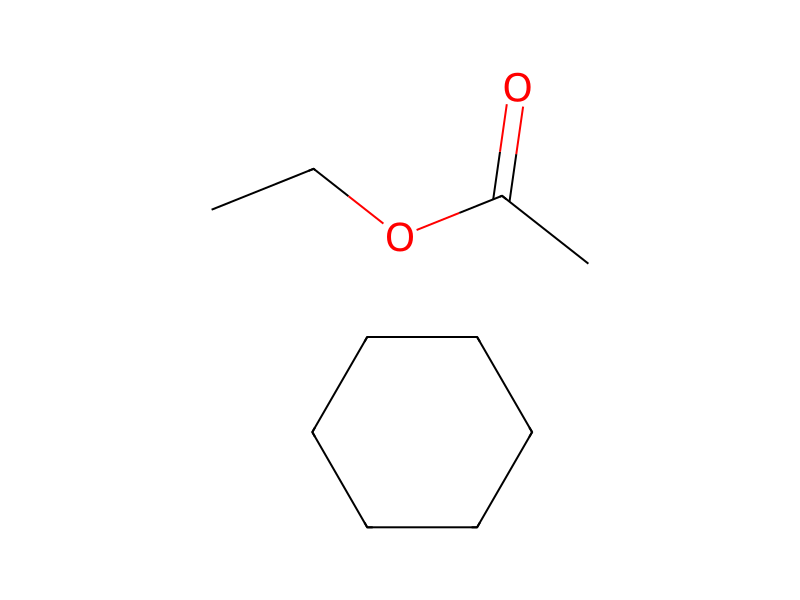
[Br:1][C:2]1[CH:3]=[C:4]([C:8]([C:10]2[CH:15]=[CH:14][C:13]([OH:16])=[CH:12][CH:11]=2)=[CH2:9])[CH:5]=[CH:6][CH:7]=1.C(N(CC)CC)C.[CH3:24][S:25](Cl)(=[O:27])=[O:26].C(OCC)(=O)C.C1CCCCC1>ClCCl>[Br:1][C:2]1[CH:3]=[C:4]([C:8]([C:10]2[CH:11]=[CH:12][C:13]([O:16][S:25]([CH3:24])(=[O:27])=[O:26])=[CH:14][CH:15]=2)=[CH2:9])[CH:5]=[CH:6][CH:7]=1Participants





Conditions
- Temperature
- 0 °C
Procedure
To a solution of 4-[1-(3-bromo-phenyl)-vinyl]-phenol (1.5 g, 5.45 mmol, 1.0 eq) in dichloromethane (15 mL), triethylamine (2.26 mL, 16.35 mmol, 3.0 eq) was added and the reaction mixture cooled to 0° C. Then methanesulfonyl chloride (0.465 mL, 6.0 mmol, 1.1 eq) was added dropwise and the mixture was allowed to warm to room temperature and stirred 16 h. The reaction was examined by TLC (ethyl acetate/cyclohexane 20%) which showed complete conversion to the desired product. After night time water was added and organic and water phase were separated. Organic solution was dried over magnesium sulfate filtered and evaporated. The crude was purified by flash chromatography eluting with cyclohexane, then ethyl acetate/cyclohexane 20%. 1.6 g of clean product was obtained as colorless liquid (yield: 65%).
Workup
- temperatureto warm to room temperature
Sources & evidence
- ORD record
- ord-1941588f36d04b59a8090498b8893c70
- Source dataset
- uspto-grants-2011_08
- Patent number
- US07989449B2
Reaction notes
Loading…