Hydrochloric Acid → HCID 67339313, compound
Reaction equation

[F:1][C:2]([F:12])([F:11])[C:3](=O)[CH2:4][C:5]([O:7][CH2:8][CH3:9])=[O:6].[CH2:13]=O.[CH3:15][NH:16][NH2:17].Cl>C(O)C>[CH2:8]([O:7][C:5]([CH:4]1[CH2:15][N:16]([CH3:13])[N:17]=[C:3]1[C:2]([F:12])([F:11])[F:1])=[O:6])[CH3:9]Participants
Reactant 4


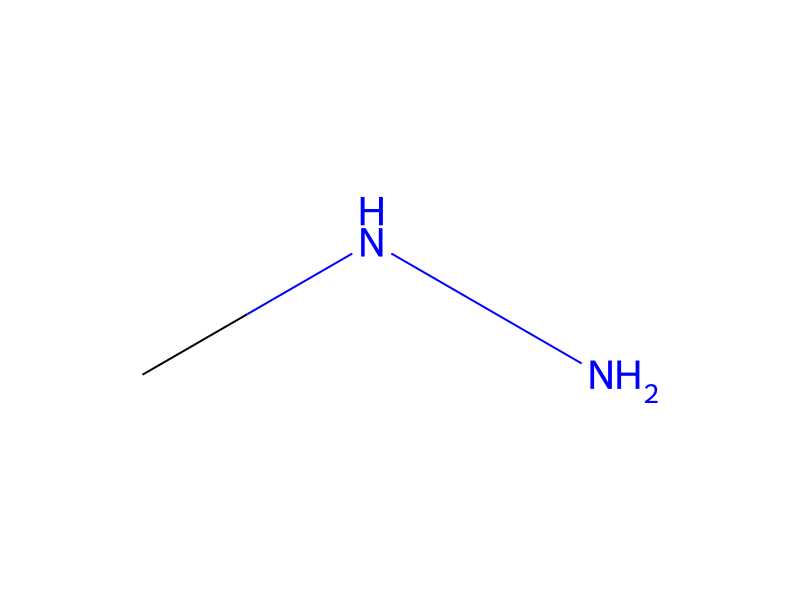

Product 1

Reagents, catalysts & solvents 1

Conditions
- Temperature
- 0 °C
Procedure
Ethyl 4,4,4-trifluoroacetoacetate (120 g, 0.65 mol) was dissolved in 650 ml of ethanol and the solution was cooled down to 0° C. A 37% aqueous solution of formaldehyde (53 g, 0.65 mol) was added and the mixture was stirred for 15 minutes at 0° C. Methylhydrazine (30 g, 0.65 mol) was added and the reaction mixture was heated to reflux. After reaching the reflux temperature, 2.5 ml of concentrated hydrochloric acid were added, and refluxing was continued for 16 h. Subsequently, the mixture was cooled down and the solvent was removed in vacuo. The remainder was taken up in water and extracted with ethyl acetate. The combined organic layer was washed with water, dried over magnesium sulfate and evaporated. The remaining oil was purified by silica gel chromatography using ethyl acetate and hexane as eluents, yielding 90 g of 1-methyl-3-trifluoromethyl-4,5-dihydro-1H-pyrazole-4-carboxylic acid ethyl ester.
Workup
- temperaturethe reaction mixture was heated to reflux
- additionwere added
- temperaturerefluxing
- waitwas continued for 16 h
- temperatureSubsequently, the mixture was cooled down
- customthe solvent was removed in vacuo
- extractionextracted with ethyl acetate
- washThe combined organic layer was washed with water
- dry with materialdried over magnesium sulfate
- customevaporated
- customThe remaining oil was purified by silica gel chromatography
Sources & evidence
- ORD record
- ord-2f00229a16c34712b4aea5238a6b1061
- Source dataset
- uspto-grants-2011_08
- Patent number
- US08003626B2
Reaction notes
Loading…