Acetone → 1,1-Dimethylethyl 1-methyl-2-(1 methylethylidene)-hydrazinecarboxylate
Reaction equation

[CH3:1][N:2]([C:4]([O:6][C:7]([CH3:10])([CH3:9])[CH3:8])=[O:5])[NH2:3].[CH3:11][C:12]([CH3:14])=O.CC(OCC1C2C(=CC=CC=2)C(COC(C)=O)=C2C=1C=CC=C2)=O.C([O-])(=O)C.[Na+]>C(OCC)C>[CH3:1][N:2]([C:4]([O:6][C:7]([CH3:10])([CH3:9])[CH3:8])=[O:5])[N:3]=[C:12]([CH3:14])[CH3:11]Participants
6
Reactant 4


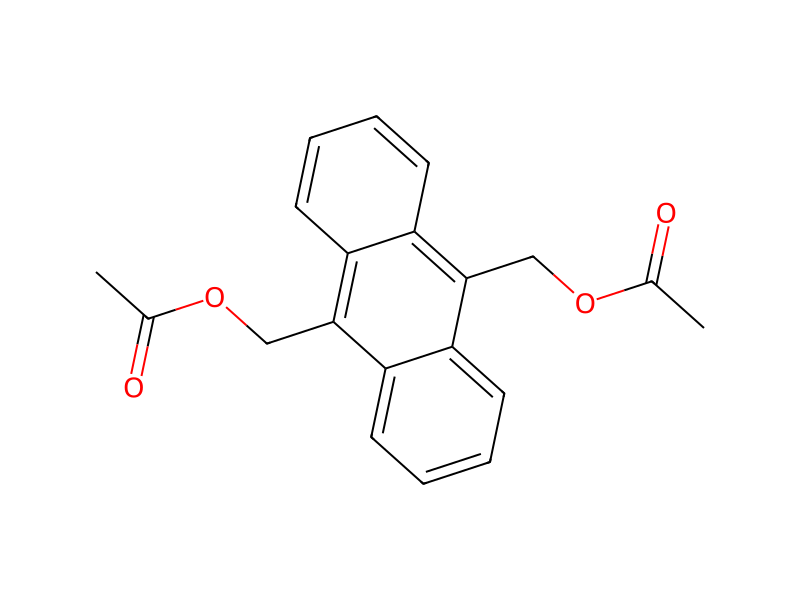

Product 1

Reagents, catalysts & solvents 1

Procedure
To a stirred solution of 1,1-dimethylethyl 1-methylhydrazine carboxylate (179 g) (intermediate 5) in diethyl ether (2 L), at room temperature, acetone (126 ml), glacial acid acetic (7.7 ml) and sodium acetate (1.27 g) were added. After stirring over night, the reaction mixture was quenched with water, the organic phase was dried with sodium sulphate and the solvent evaporated to give the title compound (182.38 g) as a colourless oil.
Workup
- customthe reaction mixture was quenched with water
- dry with materialthe organic phase was dried with sodium sulphate
- customthe solvent evaporated
Sources & evidence
- ORD record
- ord-9ccbd2bd39884e3c838e6c92ea6805e6
- Source dataset
- uspto-grants-2011_08
- Patent number
- US08003638B2
Reaction notes
Loading…